Developer-Led Mercury Testing Required for Former Kanata Golf Course Redevelopment
The City of Ottawa has clarified that the responsibility for conducting mercury contamination testing on the soil of the former Kanata Golf and Country Club lies squarely with the development companies planning to transform the 175-acre property. This announcement comes as heavy equipment has been actively working on the site since January, initiating soil testing procedures to pave the way for future construction.
Resident Concerns Over Health and Environmental Risks
Local residents have expressed significant apprehension about the potential disturbance of mercury, a toxic element historically used in fungicides to combat snow mould on golf courses across Canada. The extensive soil movement associated with the redevelopment has heightened fears about environmental and public health implications.
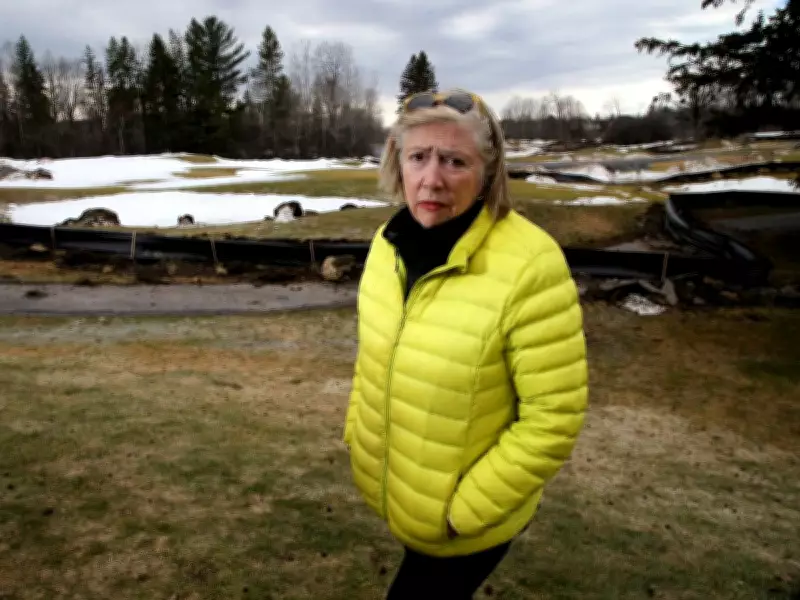
Barbara Ramsay, chair of the Kanata Greenspace Protection Coalition, described the scene as resembling "Armageddon" and emphasized that the issue transcends typical neighborhood opposition. "This is not a NIMBY issue. It's about public health and public safety," she stated, underscoring the genuine risks perceived by the community.

Legal and Regulatory Framework Governing the Testing
According to Marcia Wallace, the city's general manager of planning, development and building services, the Environmental Protection Act mandates that environmental testing and risk assessments be performed by a professional engineer retained by the property owner. This engineer is legally obligated to ensure all work is conducted safely and in compliance with provincial standards.
Wallace explained in a response to Kanata North Councillor Cathy Curry that the city's authority is limited because the former golf course is private property. While Ottawa has engaged a lawyer with environmental expertise and an engineering firm, it cannot control the timing of the developer's activities or require notifications to public health authorities.
- The city does not have review or approval powers over the current investigatory work.
- Ottawa Public Health lacks a formal advisory or oversight role in the process.
- No city permits are required unless municipal easements are contravened or adjacent properties are damaged.
Historical Context and Development Plans
The mercury testing represents the latest chapter in a long-standing saga that began in 1981 when Campeau Corp. negotiated with the former City of Kanata to establish the golf course, with a condition that at least 40% of the land remain open space. ClubLink acquired the property in 1997 and announced redevelopment plans in 2018, partnering with Richcraft Homes and Minto Communities to build approximately 1,500 housing units.
As the project moves forward, the developer-led environmental assessment will be critical in addressing contamination concerns and ensuring the site's safety for future residential use, while the city maintains a watchful but legally constrained position.