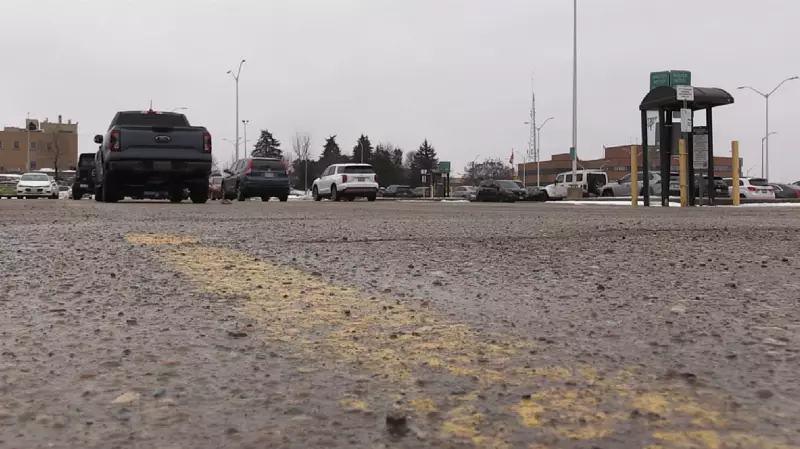
The City of London is taking a significant step toward addressing a long-standing environmental issue in its core. Municipal officials are actively seeking a buyer who will undertake the cleanup of toxic coal tar contamination on city-owned land near downtown. The successful remediation would unlock the redevelopment potential of two currently underutilized parking lots.
A Legacy of Industrial Contamination
The site in question is located at the intersection of Ridout and Horton Streets. The contamination is a historical remnant, a common issue in many older urban areas where industrial operations once thrived. Coal tar, a byproduct of old manufactured gas plants or other industrial processes, contains a mix of hazardous chemicals and can pose risks to soil and groundwater. For years, this pollution has effectively stalled any meaningful development on the strategically located city property.
The City's Redevelopment Strategy
Instead of funding the cleanup directly from municipal coffers, London's strategy involves transferring the responsibility—and the opportunity—to a private developer. The city is marketing the property with the condition that the purchaser must finance and execute the environmental remediation work. This approach aims to remove a blight from the downtown area while stimulating private investment and transforming the vacant lots into productive use, potentially including residential, commercial, or mixed-use projects.

The search for a buyer was confirmed on January 07, 2026. The move represents a pragmatic solution to a complex problem, leveraging market forces to achieve a public environmental and urban renewal goal. If a suitable buyer is found and the cleanup meets provincial standards, it would mark the end of a prolonged environmental stalemate.
Implications for London's Urban Core
The successful cleanup and subsequent redevelopment of the Ridout and Horton site would have multiple positive impacts. Firstly, it would eliminate a source of potential environmental risk. Secondly, it would activate a dormant piece of land, contributing to the density and vibrancy of the surrounding neighbourhood. Finally, it would bring new assessment value to the city's tax base. This initiative aligns with broader municipal goals of intensifying development within the urban core and remediating brownfield sites.
The process will be closely watched by other municipalities facing similar challenges with historically contaminated properties. The London model demonstrates a potential pathway to revitalization that shares the financial burden and expertise of cleanup with the private sector, turning an environmental liability into a community asset.