Residents in a north London, Ontario neighbourhood find themselves in a property line dispute with an unlikely neighbour: a federal agricultural research facility. The conflict centres on the exact location of the boundary separating private homes from the government-owned station.
The Core of the Contention
The disagreement emerged as homeowners on one side of the fence and officials from the federal agriculture facility on the other presented conflicting interpretations of the surveyed property line. The federal station is flexing its authority in the matter, asserting its position based on its own land surveys and records. For the residents, the issue strikes at the heart of property rights and the perceived encroachment of a large, institutional neighbour into their private domain.
A Clash Over Boundaries and Authority
This is not merely a neighbourly squabble over a few inches of land. It represents a clash between individual homeowners and the considerable authority of a federal entity. The agriculture facility, dedicated to research, operates under a federal mandate, which can complicate local property disputes. The residents, however, are contesting the facility's claims, seeking clarity and a resolution that respects their property deeds and the boundaries they believe they purchased.

The situation in east London underscores the complexities that can arise when residential communities border large-scale government operations. The dispute was reported on by CTV's Daryl Newcombe, bringing the local issue to wider public attention. The report highlighted the residents' perspective and the facility's stance, though specific details of each party's legal argument remain part of the ongoing contention.
Implications and Next Steps
Property line disputes often require professional land surveys and can escalate to legal mediation or court proceedings. In this case, the involvement of a federal agency adds another layer of bureaucratic and legal complexity. The outcome could set a precedent for how similar disputes between private landowners and federal property holders are managed in the future.
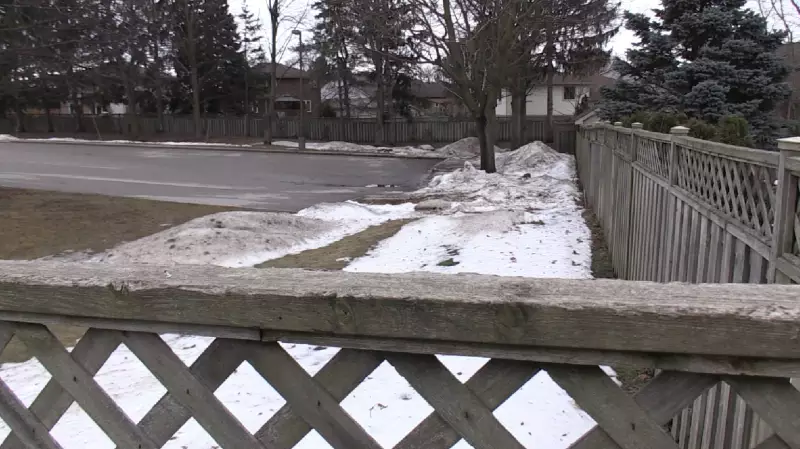
For now, the fence remains a physical symbol of the disagreement. The resolution will hinge on definitive survey evidence, historical land titles, and potentially, negotiations between the parties. The residents' challenge demonstrates a willingness to hold a powerful institution accountable, seeking to protect what they view as the integrity of their private property in the face of federal authority.