London Council Approves Controversial 30-Storey High-Rise on Ridout Street
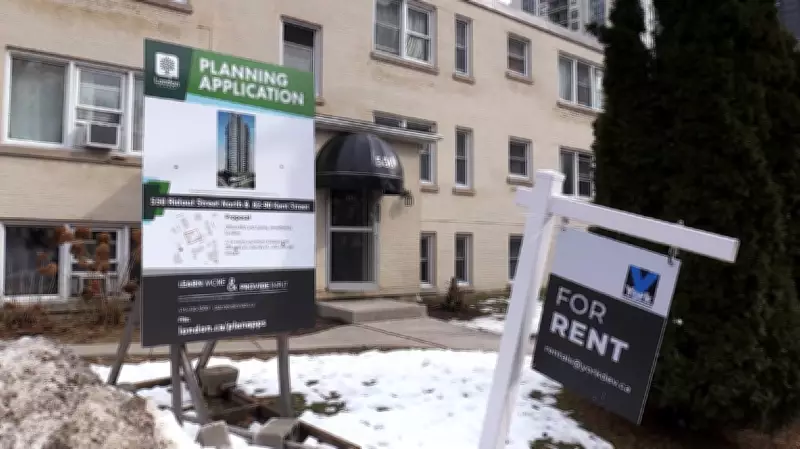
In a decisive move, London councillors have approved a highly contentious 30-storey high-rise development on Ridout Street in north Talbot. The decision, made on March 4, 2026, has sparked significant debate due to its scale and potential impact on the local community.
Details of the Approved Development
The proposed building will stand as a towering addition to the city's skyline, featuring extensive residential units. However, the approval comes with notable caveats, particularly regarding the developer's commitments to displaced tenants. Council members expressed concerns over the inability to enforce these promises, raising questions about accountability and tenant protections in large-scale urban projects.
Community and Political Reactions
The approval has drawn mixed reactions from residents and stakeholders. Proponents argue that the development addresses housing needs and stimulates economic growth, while opponents highlight issues such as increased density, potential strain on infrastructure, and the ethical implications of displacing current tenants without guaranteed safeguards. The controversy underscores broader tensions in urban planning between development ambitions and community welfare.

Broader Context and Implications
This decision aligns with ongoing trends in municipal governance, where councils balance development incentives with regulatory oversight. The Ridout Street project serves as a case study in the challenges of enforcing developer agreements and protecting vulnerable populations during urban renewal. As London continues to grow, such approvals may set precedents for future high-rise developments across the city.
Moving forward, council officials have indicated that monitoring and follow-up actions will be crucial to ensure compliance with any agreed-upon terms, though enforcement mechanisms remain a point of contention. The development is expected to proceed with construction in the coming months, pending final approvals and potential legal challenges from concerned parties.