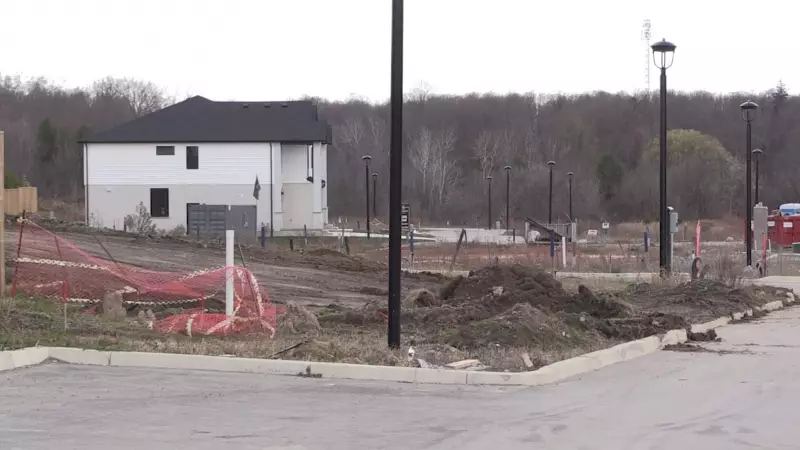
London's municipal Planning Committee has made a decisive move on a significant housing project, voting to advance a new boundary for a residential development in the city's southwest. This decision came on December 2, 2025, despite a formal request from a local First Nation for consultation prior to any approval.
Committee Proceeds Amidst Request for Dialogue
The committee, after reviewing the proposal, chose to move forward with establishing the development's boundary. The key point of contention was a direct appeal from a First Nation community, which had asked the city to engage in a consultation process before making a final decision. The committee's vote indicates the project will proceed to the next stages of planning without fulfilling that specific request at this juncture.
This situation highlights the ongoing and complex interplay between municipal development goals and the duty to consult with Indigenous communities. While the details of the First Nation's concerns were not fully elaborated in the public session, the request itself underscores the importance placed on Indigenous rights and perspectives in land-use planning.

Details of the Southwest London Development
The proposed residential development is slated for a tract of land in southwest London. The advancement of the boundary is a critical step in the city's planning process, effectively defining the area where new housing units can be built. Proponents of such developments often cite the urgent need for more housing supply to address affordability and growth challenges facing cities across Canada.
However, these projects frequently encounter scrutiny over their environmental impact, strain on existing infrastructure, and, as in this case, their adherence to principles of reconciliation and meaningful engagement with First Nations whose traditional territories may be affected.
Implications and Next Steps
The committee's decision does not represent the final approval for the development itself but is a major milestone. The project will now continue through the requisite municipal channels, which may include further council votes and public participation opportunities. The move by the Planning Committee sets a precedent for how similar requests might be handled in the future and will likely be watched closely by both development interests and Indigenous advocacy groups.
This case in London adds to a national conversation about how municipalities balance rapid urban expansion with their legal and ethical responsibilities to Indigenous peoples. The outcome of this specific project, and any potential responses from the involved First Nation, will be significant for the local community and for planning policy discussions across the province.