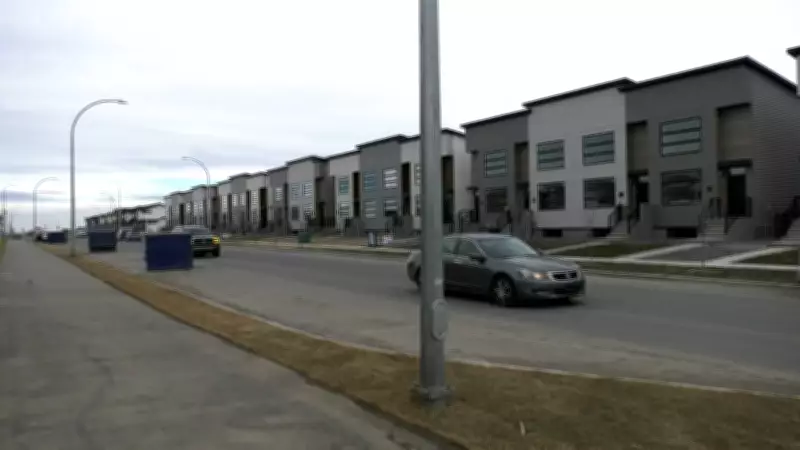
Property owners in Lethbridge are bracing for a substantial financial impact as the provincial government implements a significant increase in education taxes for the current year. The tax hike, set at 12.9%, will directly affect residential and commercial property owners across the city, adding to their annual financial obligations.
Details of the Tax Increase
The 12.9% provincial education tax increase represents a notable rise compared to previous years, reflecting broader budgetary adjustments by the Alberta government. This tax is collected alongside municipal property taxes and is specifically allocated to fund public education systems throughout the province. The increase is expected to generate additional revenue to support educational initiatives, infrastructure, and operational costs in schools.
Impact on Lethbridge Residents
For the average homeowner in Lethbridge, this tax increase translates to a tangible increase in their overall property tax bill. The exact amount will vary based on property assessment values, but the percentage rise is uniform across the board. This development comes at a time when many households are already grappling with inflationary pressures and rising living costs, making the additional tax burden a point of concern for local residents.

Financial Implications: The hike means that property owners will need to adjust their budgets to accommodate the higher payments. For instance, a home assessed at a typical value could see an increase of several hundred dollars annually, depending on the specific tax rate applied. This could strain family finances, particularly for those on fixed incomes or in lower-income brackets.
Government Rationale and Response
The provincial government has cited the need for enhanced funding in the education sector as the primary driver behind the tax increase. Officials argue that the additional revenue is essential to maintain and improve educational standards, support teacher salaries, and invest in school facilities. However, this move has sparked debate among taxpayers and local officials, with some questioning the timing and magnitude of the increase.
Public Reaction: Initial reactions from Lethbridge property owners have been mixed, with many expressing frustration over the added expense. Community groups and local representatives are calling for greater transparency in how the funds will be utilized, emphasizing the need for accountability to ensure that the tax hike directly benefits students and schools in the region.
Broader Context in Alberta
This tax increase occurs within a broader provincial context, where education funding has been a contentious issue. Recent years have seen fluctuations in government support for schools, leading to calls for stable and adequate funding mechanisms. The 12.9% hike in Lethbridge is part of a wider provincial strategy to address these concerns, though it may set a precedent for other municipalities in Alberta.
Comparison with Other Taxes: It's important to note that provincial education taxes are separate from municipal property taxes, which fund local services like roads and emergency services. Property owners in Lethbridge will need to consider both components when calculating their total tax liability for the year.
Looking Ahead
As property owners in Lethbridge prepare for the increased payments, there is ongoing discussion about the long-term implications of such tax adjustments. Stakeholders are urging the government to explore alternative funding models or provide relief measures for those most affected. The situation highlights the delicate balance between funding essential public services and managing the financial burden on citizens.
In summary, the 12.9% provincial education tax increase in Lethbridge marks a significant shift in property tax obligations, with wide-ranging effects on the local community. Property owners are advised to review their tax notices carefully and seek clarification from provincial authorities if needed, as they navigate this new financial landscape.