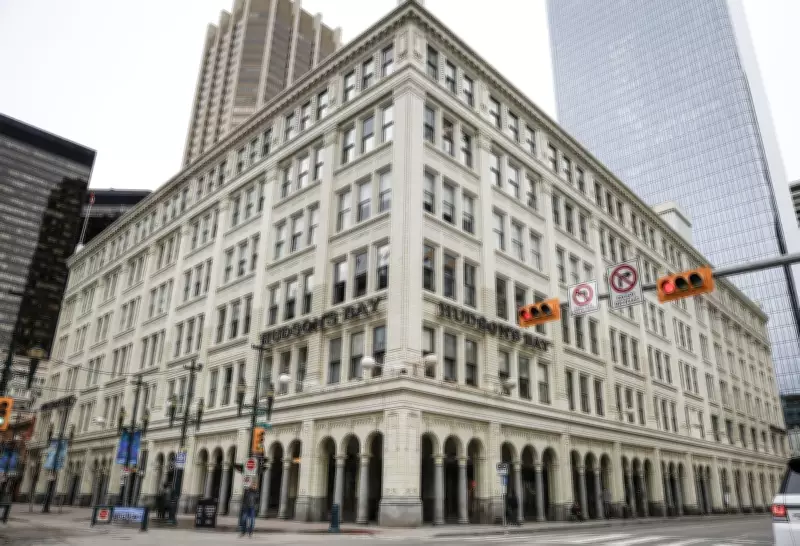
Former Hudson's Bay buildings, once iconic department stores in cities across Canada, are undergoing a remarkable transformation into condominiums, storage facilities, and mixed-use developments. This adaptive reuse trend is breathing new life into historic structures while addressing contemporary urban demands for housing and commercial space.
Calgary's Downtown Transformation
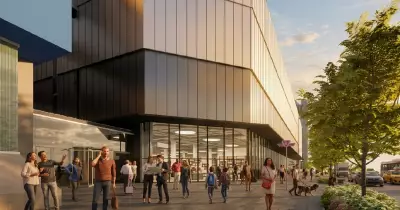
In downtown Calgary, the former Hudson's Bay store is being converted into a residential and retail complex. The project includes over 200 condominium units, ground-floor retail spaces, and preserved architectural features such as the original facade and grand staircase. Developers emphasize maintaining the building's heritage character while modernizing its interior.
Edmonton's Storage Solution
In Edmonton, a former Bay location has been repurposed into a climate-controlled storage facility. The building's sturdy construction and central location made it ideal for storage units, offering residents a secure place for belongings. The conversion preserved the exterior's historical look while adapting the interior for modern use.

Vancouver's Mixed-Use Vision
Vancouver's former Hudson's Bay store is being redeveloped into a mixed-use complex with rental apartments, offices, and community spaces. The project includes affordable housing units and aims to revitalize the surrounding neighborhood. City officials praise the project for increasing housing supply without demolishing a heritage building.
Benefits of Adaptive Reuse
Experts highlight several benefits of repurposing former department stores: reduced construction waste, preservation of cultural landmarks, and faster project timelines. The trend also supports local economies by attracting businesses and residents to downtown cores. However, challenges include updating aging infrastructure and meeting modern building codes.
National Impact
From Winnipeg to Montreal, other former Hudson's Bay buildings are being evaluated for similar projects. The company's historic properties offer large floor plates and prime locations, making them attractive for developers. As cities grow, adaptive reuse is becoming a key strategy for sustainable urban development.
These transformations reflect a broader movement toward preserving architectural heritage while adapting to changing retail and housing markets. The former Hudson's Bay buildings are not just being saved; they are being reimagined for the future.