A recent safety investigation has brought to light a harrowing incident in West Vancouver, where paramedics responding to a life-threatening emergency were trapped in an elevator with their patient for nearly half an hour. This event underscores the severe risks associated with aging infrastructure and the critical importance of regular elevator maintenance.
Incident Details and Immediate Response
The incident occurred last summer in an 18-storey residential tower that was constructed nearly six decades ago. At the time, the building was operating with only one functional elevator, as the second had been undergoing a major upgrade that faced significant delays. According to a report released by Technical Safety B.C., paramedics from B.C. Emergency Health Services responded to a 911 call on July 21, 2025, on the 14th floor of the building.
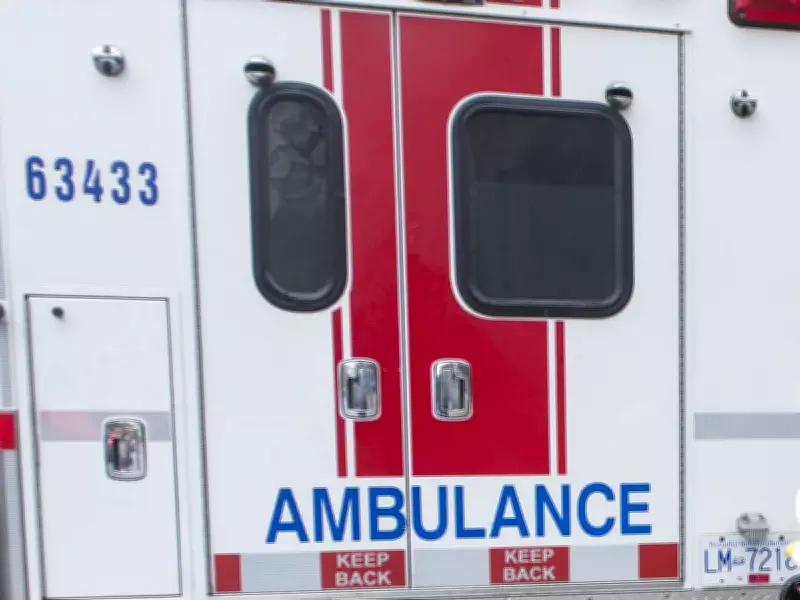
Using the working elevator to reach the patient, the paramedics noted that any delay in providing higher care could have had severe consequences for the individual's health. Once the patient was loaded onto a stretcher and placed inside the elevator, the doors began malfunctioning, closing four times repeatedly. In an attempt to prevent the doors from shutting, two paramedics pushed against the top of the car door, which investigators say led to the door derailing from its track.

Trapped and Seeking Rescue
As the elevator descended to the lobby, it made brief stops on several floors, emitting alarming scraping noises, but the doors failed to open. Upon reaching the main floor, the trapped crew used the elevator's emergency intercom to call 911 for assistance. One paramedic also utilized a personal phone to contact dispatch and update the hospital about the situation and the resulting delay.
After 25 minutes of being confined inside, firefighters arrived on the scene and used the Jaws of Life to force the elevator doors open, freeing the paramedics and patient. No further details regarding the patient's condition were disclosed in the report, leaving questions about the long-term impacts of the ordeal.
Investigation Findings and Maintenance Concerns
Technical Safety B.C.'s investigation revealed that the malfunction was caused by a combination of factors, including heavy use, worn components, and the paramedics' efforts to manage the doors. The report emphasized that relying on a single elevator while the other was under delayed upgrades likely influenced maintenance and repair decisions, potentially compromising safety.
Canadian regulations mandate that elevators must have a maintenance control program to ensure ongoing safety, which includes regular inspections, tests, cleaning, lubrication, and adjustments. In this case, the building's only operational elevator had undergone routine maintenance that was signed off in April 2025, with monthly visits logged in February and March. However, in the two months preceding the incident, the elevator broke down six times, each requiring a technician for repairs.
An elevator mechanic involved in the investigation stated that the adjustable rollers responsible for keeping the doors on track could not be tightened any further to prevent jams. The next scheduled maintenance visit was not until July 2025, highlighting a gap in proactive upkeep.
Broader Implications for Infrastructure Safety
This incident serves as a stark reminder of the vulnerabilities in aging residential towers, particularly those built decades ago with outdated systems. The delays in elevator upgrades and the reliance on a single unit exacerbate these risks, putting residents and emergency responders in potentially dangerous situations.
As cities like West Vancouver continue to grapple with aging infrastructure, this report calls for heightened attention to maintenance protocols and timely upgrades to prevent similar occurrences in the future. Ensuring that safety regulations are strictly adhered to and that resources are allocated for necessary repairs is essential to safeguarding public health and safety.