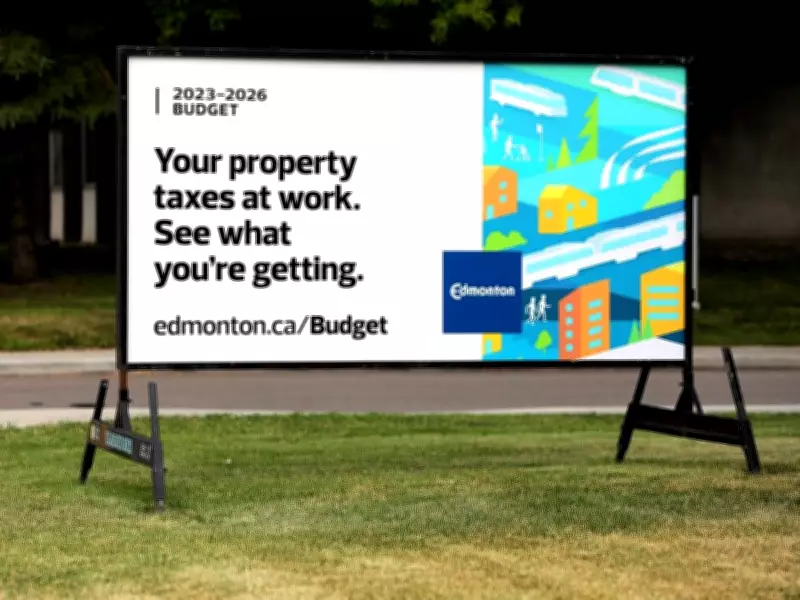
Edmonton's Proposed 6.9% Tax Increase Draws Sharp Criticism from Residents
Edmonton residents are voicing significant concerns about the city's proposed 6.9-per-cent property tax increase for 2026, with many questioning why other major Canadian cities are implementing much more modest hikes. The debate has intensified following recent defense of the increase by Mayor Amarjeet Sohi and city councillors, who have expressed support for a cumulative 44-per-cent tax increase over the coming decade.
Comparing Municipal Tax Strategies Across Canada
Residents are asking pointed questions about municipal fiscal management, particularly when comparing Edmonton's situation to other urban centers. Toronto is implementing a 2026 tax increase of just 2.2 per cent, while Calgary has announced a 1.6-per-cent increase for the same period. These substantial differences have led many Edmontonians to question whether their city has a serious spending problem that requires immediate attention.
"If other major cities in Canada can keep increases to the cost of inflation, then there is a serious issue in Edmonton regarding spending," wrote one concerned resident in a recent letter to the editor. The sentiment reflects growing frustration among taxpayers who feel their municipal government isn't exercising sufficient fiscal restraint.

Senior Citizens Express Particular Concern
The proposed tax increase has drawn particular criticism from senior citizens on fixed incomes. One Edmonton senior noted that their latest increase from Canada Pension Plan and Old Age Security benefits was only two per cent for 2026, creating a significant gap between income growth and municipal tax demands.
"As a senior, my income doesn't increase to amounts that the city is asking," the resident wrote. "This mayor and council are just newly elected; if they don't start thinking fiscally responsibly, they will be gone in short order."
Snow-Clearing Budget Management Also Questioned
Beyond tax concerns, residents are also questioning the city's approach to snow-clearing budget management. Some have suggested that Edmonton should carry forward unused snow removal funds from previous years rather than returning them to general revenue.
"How novel would it be if Edmonton city council actually saved unused snow removal monies and carried it forward to the next year?" asked one resident. "We have not had a record snowfall in years, until 2025. Think of all the money that could have been put toward current snow removal if the city had saved monies not spent in previous years."
Creative Solutions for Winter Parking Challenges
Another resident offered a creative, if somewhat extreme, solution to Edmonton's snow-clearing challenges based on observations from Toronto. After watching video footage of Toronto plows burying parked cars while attempting to clear streets, the resident suggested Edmonton might adopt a similar approach.
"Perhaps that is Edmonton's solution to our snow-clearing woes: Pile all that snow onto cars that people have not moved, totally bury them," the resident wrote. "Lesson learned: Next time, move your car."
Looking Ahead: Fiscal Responsibility and Municipal Governance
The ongoing debate highlights broader questions about municipal fiscal management and the balance between necessary services and taxpayer burden. With Edmonton's proposed tax increase significantly outpacing those in comparable cities, residents are calling for greater transparency and more responsible spending practices from their elected officials.
As the city moves forward with budget discussions, these resident concerns are likely to shape public discourse around municipal governance, fiscal responsibility, and the appropriate balance between taxation levels and service delivery in Canada's urban centers.