Edmonton Residents Voice Concerns Over Infill Homes Turned into Rooming Houses
Residents in Edmonton's McKernan neighborhood are expressing significant frustration and concern as newly constructed multi-unit infill homes are being converted into rooming houses and short-term rental properties. The situation has prompted city officials to address regulatory gaps and community worries surrounding these lodging arrangements.
Neighborhood Disturbances and Safety Concerns
Barbara Nipp, a long-time McKernan resident, reported living next to what she believes is a lodging house and has observed frequent comings and goings at all hours. Similarly, Kimberly Getz, whose family home sits adjacent to a recently constructed multi-unit building, described unusual activity patterns that raised suspicions about the property's use.
"Maybe one or two tenants were there for longer than a month," Getz noted, adding that the absence of traditional rental listings made the situation particularly puzzling. Her concerns intensified when she discovered a development application to convert the row house into an official lodging house.

City Definitions and Regulatory Framework
According to Edmonton's municipal definitions, lodging houses—sometimes called rooming houses—are buildings containing four or more individually rented sleeping units. These developments require specific safety measures and are considered unique within the city's zoning framework.
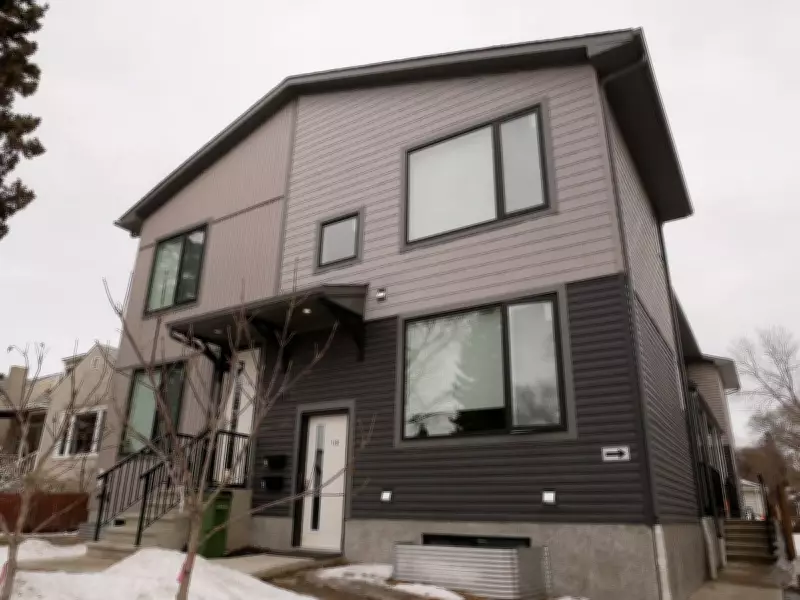
City data reveals that the property adjacent to Getz's home was originally approved as a residential building with four dwelling units and two basement developments. However, residents report seeing people staying for brief periods and coming and going at irregular hours, suggesting use as short-term rentals.
Short-Term Rental Controversy
The situation gained additional attention when Global News reported that the same building had been advertised on platforms like Kijiji and Facebook Marketplace for short-term stays, with options for hourly bookings. Although these advertisements have since been removed, they indicated other properties were similarly available for brief rentals.
A land titles search confirmed the property is owned by an Alberta numbered company, adding another layer of complexity to the neighborhood's concerns about accountability and oversight.
Additional McKernan Property Under Scrutiny
Postmedia investigations uncovered another potential lodging house just down the road from Getz's residence. Barbara Nipp, who has lived beside this property for over four decades, described the building—approved as an eight-plex in 2024—as having a confusing, maze-like layout that suggests more units than officially permitted.
"I'd introduce myself to the workers as a curious neighbor," Nipp recalled about the construction period, during which she toured the home to understand its design. The lot previously housed two close friends before being sold, demolished, and redeveloped into the current multi-unit structure.
Municipal Response and Future Actions
Mayor Andrew Knack has publicly stated that hourly rentals are unacceptable and emphasized the city's commitment to addressing regulations and community concerns around lodging houses. This response comes amid broader discussions about infill development, following recent council decisions to maintain maximum infill units at eight and public debates at urban planning committee meetings.
The growing tension between residential expectations and property usage highlights ongoing challenges in urban development regulation, particularly as housing needs evolve and short-term rental markets expand. Edmonton officials now face the dual task of enforcing existing rules while considering updates to prevent similar conflicts in other neighborhoods.