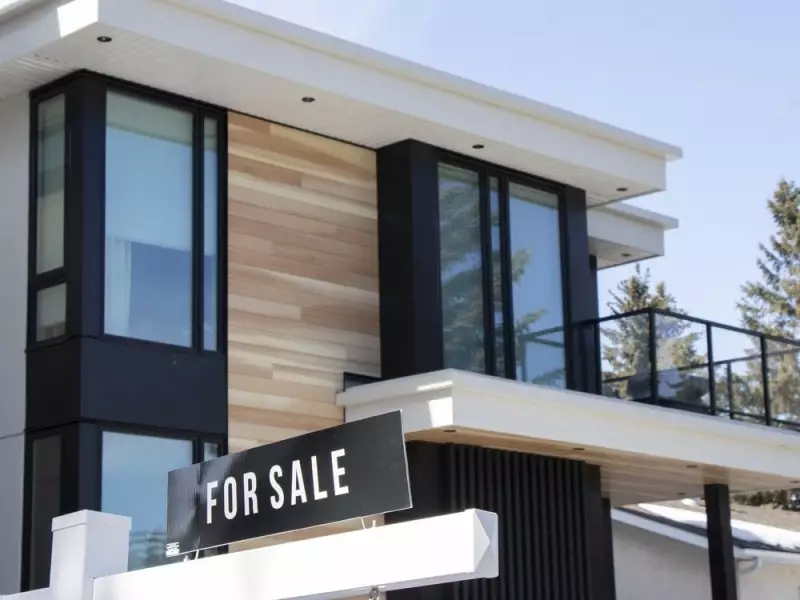
Edmonton's property landscape is stepping into 2026 with a notable shift towards equilibrium, moving away from the intense seller's market that characterized much of the past half-decade. This new phase offers a more comfortable environment for both purchasers and those looking to sell their homes.
Market Performance and Price Trends
According to the latest quarterly update and forecast from Royal LePage, the aggregate price of a home in Edmonton saw a modest increase of 1.2 per cent year-over-year, reaching $466,800. However, this figure represents a slight quarterly dip of 2 per cent. The median price for a single-family detached home now stands at $515,900, reflecting a 2 per cent annual rise.
Tom Shearer, broker and owner with Royal LePage Noralta, summarized the year's trajectory: "We went into the year hot, and then it slowed towards the end." Activity peaked early in 2025, waned during October and November, but experienced a December resurgence as buyers aimed to finalize transactions before year-end.

The Return to a Balanced Market
The report highlights a significant development: Edmonton is now experiencing a balanced market. For buyers, this translates to a wider selection of properties and increased negotiating leverage. Sellers, meanwhile, can still anticipate reasonable selling timelines and fair prices.
Shearer emphasized the rarity of this condition, noting that "the amount of time the market has been balanced has been very limited over the last six years," with the city predominantly favoring sellers during that period. The current balance signals a departure from that prolonged trend.
Inventory Rebound and Stable Economic Conditions
A key factor in this shift is the reversal in housing supply. After a consistent decline that began in May 2023, inventory levels began to grow last spring. "After a period of time where the shelves are getting emptier and emptier, we're actually starting to replenish," Shearer observed.
Supporting this stability are favourable borrowing costs. The Bank of Canada held its key interest rate at 2.25 per cent in its final 2025 adjustment, following four cuts throughout the year. This decline from 2023's peaks has created a predictable lending environment. "I think people are expecting rates to stay flat and therefore aren't waiting for a change to make a decision, so they'll probably activate one way or another," Shearer added.
Looking ahead, the forecast suggests a return to more normalized, gradual price growth rather than exponential spikes. "The values aren't going to race up at an exponential rate anytime soon, but you can count on them gradually increasing," Shearer stated, reassuring the market that any potential correction would not be significant.