Edmonton residents are being called upon to shape the future of their neighbourhoods. The city council has officially launched a public consultation process regarding proposed modifications to infill housing regulations, seeking community feedback that will guide upcoming decisions.
City Council Opens the Floor for Feedback
The consultation initiative was announced on January 12, 2026. Council members want to hear from a broad cross-section of the community, from homeowners to renters and developers, on how infill projects should be managed moving forward. This move follows ongoing discussions about balancing neighbourhood character with the need for increased housing density.
Infill development, which involves constructing new housing on vacant or underused lots within established communities, has been a topic of significant debate in Edmonton for years. Proponents argue it increases housing supply, makes better use of existing infrastructure, and revitalizes older areas. Critics often voice concerns about changes to neighbourhood aesthetics, parking congestion, and the loss of mature trees.

Details of the Proposed Changes
While the specific details of the proposed regulatory changes are being refined, the consultation aims to address common points of contention. These typically include rules around building setbacks, lot coverage, building height, parking requirements, and tree preservation. The city's goal is to create a clearer, more consistent framework that addresses community concerns while supporting sensible growth.
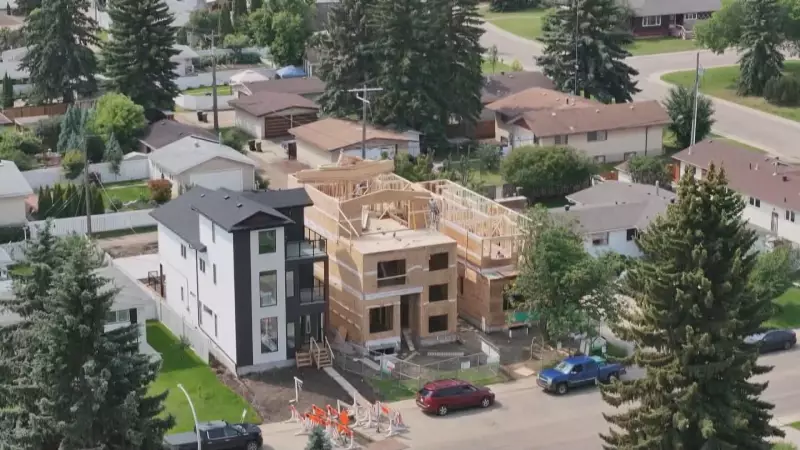
The call for input is not happening in a vacuum. It references the visible state of infill in the city, as illustrated by a project documented on June 24, 2025. The visual evidence of ongoing development underscores the timely nature of this policy review.
What This Means for Edmonton's Future
The outcome of this public engagement will directly influence municipal policy and the physical landscape of Edmonton's residential zones. The feedback collected will be analyzed by city planners and presented to council, informing potential amendments to zoning bylaws and development regulations.
This process represents a critical opportunity for citizens to participate in municipal governance. The council's decision to seek broad public input highlights the contentious yet crucial role of infill in addressing housing needs within the city's existing footprint. The resulting policies will set the tone for urban development in Edmonton for years to come.
Residents interested in participating should monitor the City of Edmonton's official engagement portals for details on how to submit their opinions, attend town halls, or complete surveys related to the infill housing proposals.