The City of Edmonton is moving forward with a controversial urban planning vision that critics say will fundamentally alter how residents live, shop, and get around. At the heart of the debate is the city's open-option parking bylaw, which marked its fifth anniversary this week. This regulation allows developers to construct multi-family residential complexes, and some commercial spaces, without being required to provide a minimum number of parking spots.
The Core of the Controversy: Lifestyle vs. Planning Ideals
Columnist Lorne Gunter frames the issue around personal choice and affordability. He argues that for families straining under the current cost-of-living crisis, shopping at big-box stores to buy in bulk is a critical budgeting strategy. Saving 15% or more on staple goods can free up hundreds of dollars monthly for other essentials like children's sports or family activities.
However, this common practice becomes logistically challenging, if not impossible, without access to a personal vehicle and convenient parking. "If you can't own a vehicle, or you can't find anywhere to park close to your home, you're not going to shop at a big-box store," Gunter writes. He contends that by aggressively promoting car-free living through parking-free infill, city council and administration are effectively making shopping and lifestyle choices for residents.

The Planning Roadmap: From Parking Rules to the 15-Minute City
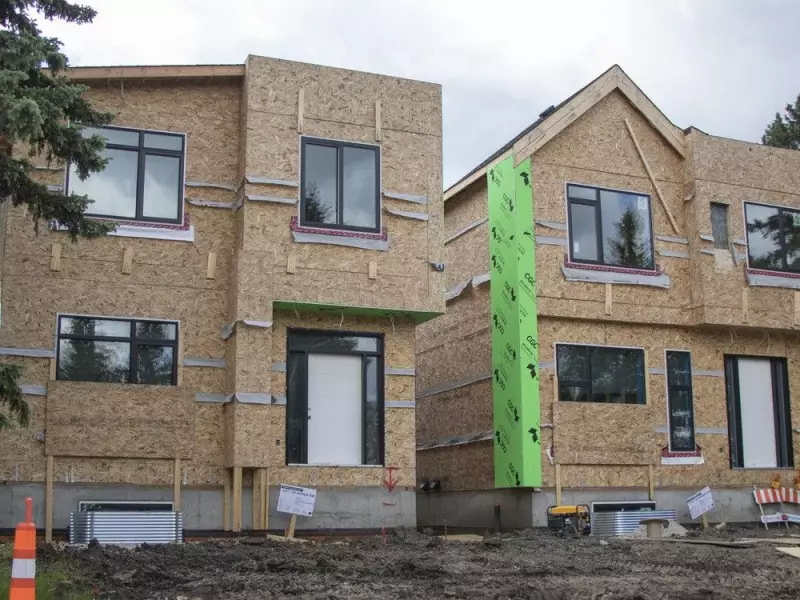
The elimination of parking minimums is not an isolated policy. It is a deliberate component of Edmonton's broader City Plan, adopted alongside rules that permit eight-unit apartments and condos within established residential neighbourhoods. The intended cascade effect is clear: reduce parking availability, increase density, and push more Edmontonians toward public transit.
This strategy is designed to facilitate the creation of a "15-minute city," an urban planning concept popular in many Western cities. The goal is to reconfigure communities so that all daily needs—work, school, shopping, and recreation—are accessible within a quarter-hour walk or bike ride from one's home.
Political Momentum and Future Implications
The political landscape in Edmonton suggests this direction will continue. Following the October municipal election, a majority of councillors who support this "progressive" planning vision were returned to office. This electoral result provides a mandate to continue reshaping the city's urban fabric according to these principles.
The practical implications are significant. Residents in neighbourhoods targeted for dense, parking-free infill may face increased competition for on-street parking, altered neighbourhood character, and potentially reduced access to services that require vehicular travel. The debate pits a vision of a dense, transit-oriented, and walkable future against concerns over personal freedom, affordability strategies for families, and the practical realities of life in a northern climate.
As these policies continue to be implemented, the tension between top-down urban planning and bottom-up resident choice is set to remain a defining feature of Edmonton's municipal politics.