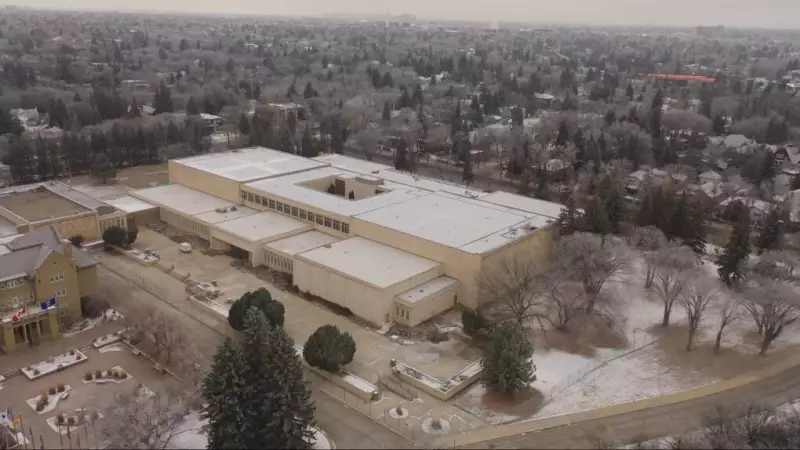
The future of a prominent, vacant building in downtown Edmonton is now the subject of early-stage discussions. The City of Edmonton has confirmed that preliminary talks are underway with the provincial government and a private developer regarding the potential repurposing of the former Royal Alberta Museum (RAM) building.
Iconic Building Awaits New Purpose
The historic structure, located in the city's core, has been empty since the museum's collections and operations moved to a new, modern facility in the downtown Arts District. The building's unique architecture and central location make it a significant piece of real estate with considerable potential for redevelopment. These initial negotiations, reported on December 2, 2025, mark a crucial first step in determining a new life for the site.
The discussions involve three key parties: the City of Edmonton, the Government of Alberta, and an unnamed private developer. The province owns the building and the land it sits on, making its participation essential to any deal. The city's role likely relates to zoning, planning permissions, and how a new use would fit into the broader vision for the downtown area.

Navigating a Complex Partnership
Repurposing a large, publicly owned building of this scale is a complex undertaking. Any project would need to balance financial viability with public interest and heritage considerations, if applicable. The early nature of the talks suggests that specific plans for the building's future use have not yet been finalized or publicly disclosed.
Potential outcomes could range from conversion into office space, a mix of residential and commercial units, a cultural or educational facility, or another public-facing venue. The involvement of a private developer indicates a move towards a partnership model, where private investment would fund the renovation and operation of the site under an agreement with the public owners.
What This Means for Edmonton's Core
The successful redevelopment of the old RAM building is seen by many as critical to the ongoing revitalization of Edmonton's downtown. A large, empty building can act as a dead zone, while a vibrant, occupied one contributes to street life, economic activity, and urban cohesion.
Finding a suitable new purpose for this landmark is a priority for city planners and community advocates. The early negotiations signal a proactive approach to addressing the challenge of vacant public assets. While the process is just beginning, it opens the door to transforming a symbol of the city's past into an engine for its future growth and community use.
Residents and stakeholders will be watching closely as these preliminary discussions evolve into more concrete proposals in the months ahead.