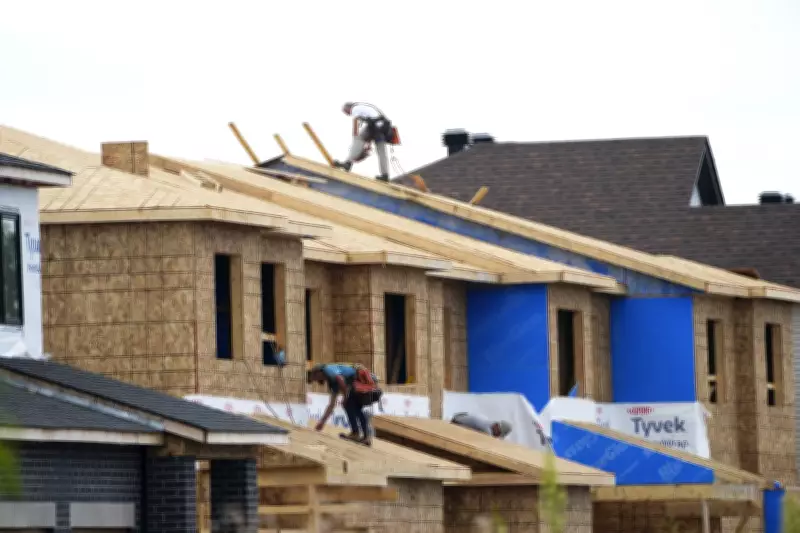
Developers Offer Creative Incentives to Offset Rising Homeownership Costs
In response to escalating expenses for prospective homeowners, real estate developers across Canada are deploying increasingly inventive incentive packages. These strategies aim to mitigate the financial burden of mortgage payments and utility bills, which have become significant barriers to home purchases in the current economic climate.
Navigating a Challenging Housing Market
The housing sector faces mounting pressure as interest rates remain elevated and living costs continue to rise. This environment has compelled developers to think beyond traditional sales tactics, crafting offers that directly address buyer concerns about affordability. By absorbing or reducing upfront and ongoing costs, these incentives seek to make new properties more accessible to a broader range of consumers.
Innovative Incentive Strategies
Among the creative solutions being implemented are mortgage rate buy-down programs, where developers subsidize interest rates for an initial period, effectively lowering monthly payments. Additionally, some are offering packages that include free utilities for a specified duration, covering expenses such as electricity, water, and gas. These measures are designed to provide immediate financial relief and enhance the overall value proposition of new homes.

Other incentives gaining traction include contributions toward closing costs, flexible payment plans, and upgrades to energy-efficient appliances that reduce long-term utility bills. Developers are also partnering with financial institutions to offer tailored mortgage products, further easing the path to homeownership.
Impact on Buyer Behavior and Market Dynamics
These incentive programs are reshaping buyer behavior, as cost-conscious consumers increasingly prioritize deals that offer tangible financial benefits. The trend reflects a broader shift in the real estate landscape, where affordability has become a paramount concern. By addressing these issues head-on, developers hope to sustain demand and maintain sales momentum despite economic headwinds.
Market analysts note that such incentives can also stimulate activity in slower-moving segments, particularly in regions where housing inventory has accumulated. However, the long-term sustainability of these offers depends on broader economic factors, including interest rate trends and inflation control.
Future Outlook for the Housing Sector
As developers continue to innovate, the focus on affordability is likely to persist. Industry experts anticipate that incentive structures will evolve further, potentially incorporating technology-driven solutions or partnerships with utility providers to create more sustainable cost-saving measures. The success of these initiatives will be closely watched as a barometer of the housing market's resilience in the face of ongoing financial challenges.