Navigating Climate Risks in the Canadian Housing Market
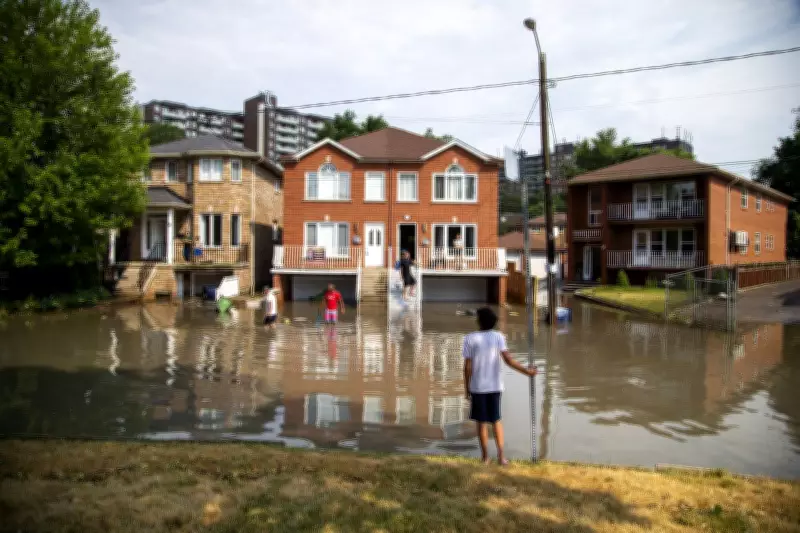
In an era marked by increasingly volatile weather patterns, prospective homebuyers across Canada are facing a new and critical consideration: climate risk assessment. The traditional checklist of location, price, and amenities must now expand to include evaluations of environmental vulnerabilities, particularly flooding. This shift is driven by a growing awareness of how extreme weather events, such as the severe thunderstorms that caused localized flooding in Toronto in July 2020, can devastate properties and communities.
Understanding Flood Maps and Their Importance
One of the most essential tools for assessing climate risks is the flood map. These maps, often available through municipal or provincial government websites, delineate areas prone to flooding based on historical data, topography, and hydrological models. They help identify if a property lies in a high-risk zone, such as near rivers, coastlines, or low-lying areas. However, it is crucial to recognize that flood maps may not always account for future climate projections, including increased precipitation or sea-level rise. Homebuyers should consult updated versions and consider supplementary resources from environmental agencies to gain a comprehensive view.
The Role of Sump Pumps in Mitigation
Sump pumps are a key defensive mechanism against basement flooding, a common issue in many Canadian regions. When house shopping, inspecting the sump pump system is vital. Look for a properly installed pump with a battery backup to ensure functionality during power outages, which often accompany storms. Additionally, check for signs of previous water damage, such as mold, stains, or musty odors, which might indicate inadequate protection. Investing in a high-quality sump pump can prevent costly repairs and provide peace of mind, especially in areas with a history of water intrusion.

Additional Factors to Consider
Beyond flood maps and sump pumps, several other elements warrant attention. Evaluate the property's drainage systems, including gutters, downspouts, and grading, to ensure water is directed away from the foundation. Consider the age and condition of the home's infrastructure, as older buildings may be more susceptible to water damage. Furthermore, research local climate trends and community resilience plans, as some municipalities are implementing measures like green infrastructure to combat flooding. Engaging with neighbors or local experts can offer insights into past incidents and preparedness.
Proactive Steps for Homebuyers
To effectively assess climate risks, take a proactive approach. Start by reviewing insurance options, as coverage for flood damage can vary and may be limited in high-risk areas. Consult with home inspectors who specialize in environmental assessments to identify potential vulnerabilities. Additionally, factor in long-term costs, such as potential increases in insurance premiums or maintenance expenses related to climate adaptation. By integrating these considerations into the decision-making process, buyers can make informed choices that safeguard their investments and enhance community resilience against a changing climate.