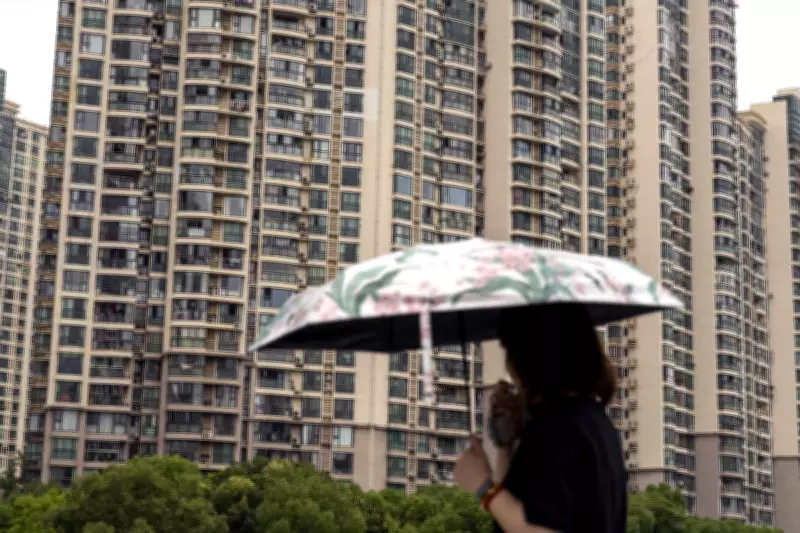
In a significant move to address urban housing challenges, China has officially banned the practice of entombing cremated human remains in vacant residential apartments. This policy, announced by authorities, targets a cultural tradition that has increasingly conflicted with the country's pressing real estate and living space issues.
Addressing Housing Shortages and Cultural Practices
The new regulation prohibits families from using empty flats as makeshift burial sites for urns containing ashes. This practice, while rooted in some local customs, has been criticized for exacerbating housing shortages in densely populated cities like Shanghai and Beijing. Officials cite the need to optimize residential space for living purposes, especially as urban populations continue to grow.
Impact on Real Estate and Urban Planning
Real estate experts note that the ban could free up thousands of units currently used for memorial purposes, potentially easing some pressure on housing markets. The policy aligns with broader government efforts to manage urban development and ensure that residential buildings serve their intended function. Critics, however, argue that it may disregard cultural sensitivities and the emotional needs of bereaved families.

Enforcement and Alternatives
Authorities have outlined strict enforcement measures, including fines and potential legal action for violations. The government is also promoting alternatives, such as designated columbaria and eco-friendly burial options, to accommodate traditional practices without compromising housing availability. Public awareness campaigns are being launched to educate citizens on the new rules and available memorial services.
This policy reflects China's ongoing struggle to balance modernization with cultural heritage, as it seeks to tackle practical issues like housing affordability and space utilization in its rapidly expanding cities.