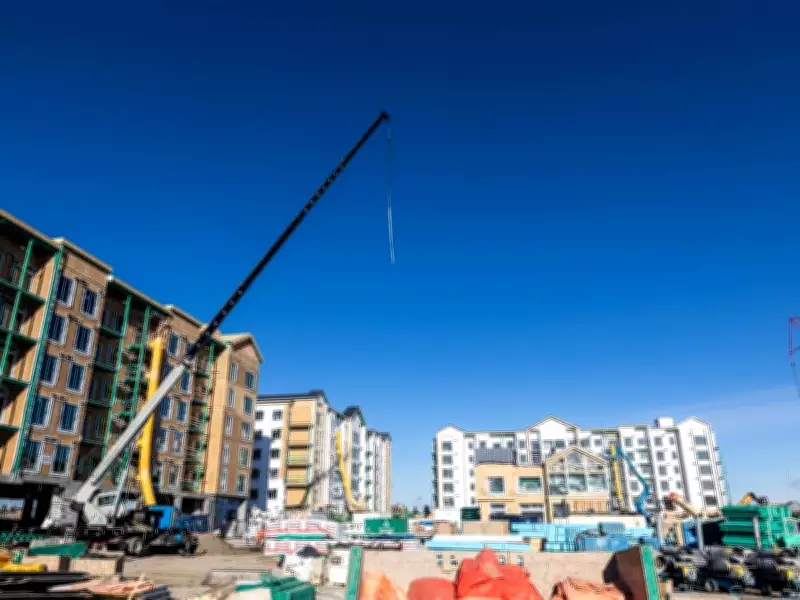
Calgary Achieves Historic Housing Milestone with Record-Breaking Construction in 2025
As Calgary grapples with a persistent housing affordability crisis, the city has emerged as a national leader in residential development, setting a new benchmark for housing delivery in 2025. According to official data released by the city, Calgary brought nearly 28,000 homes online last year, marking a significant achievement in its ongoing efforts to address the pressing need for more housing options.
Unprecedented Growth in Home Occupancy
The city granted occupancy to an impressive 27,952 homes in 2025, a substantial increase from the 21,365 homes recorded in the previous year. This figure not only represents a new record for Calgary but also more than doubles the 10-year average of 13,199 homes, highlighting the accelerated pace of construction activity across the metropolitan area.
This remarkable growth is attributed to a combination of factors, with new communities accounting for 57 percent of the new home occupancy, while developed communities accommodated the remaining 43 percent. Specifically, approximately 13,000 new homes received building permits in emerging neighborhoods, and developed areas saw around 9,600 new homes, as detailed in the city's announcement.

The Role of the Home is Here Strategy
The surge in housing delivery is no coincidence, according to city officials. Teresa Goldstein, director of community planning, emphasized that this success stems from sustained, long-term system changes rather than isolated efforts. "Delivering housing at this scale is not about a single year — it's about sustained, long-term system change," Goldstein stated, adding that the progress observed in 2025 positions Calgary to better manage future growth while enhancing affordability and livability.
At the heart of this momentum is the Home is Here strategy, a comprehensive seven-year plan approved by the previous council in 2023. This initiative was designed to tackle a worsening affordability crisis exacerbated by rapid population increases. The strategy includes 98 action items aimed at boosting both market and below-market housing supply by loosening development restrictions and streamlining approval processes.
Targets and Challenges in Non-Market Housing
The Home is Here strategy sets ambitious goals, targeting the construction of 1,000 more market homes and 3,000 more non-market homes annually compared to pre-strategy levels, with the plan running until 2030. While the city has made significant strides in overall housing delivery, it faces challenges in meeting its non-market housing targets.
In 2025, just over 1,800 non-market homes received development permit approvals, which, although five times the city's average annual volume, represents only 60 percent of the annual target of 3,000 new below-market homes by 2030. Reid Hendry, the city's chief housing officer, noted that the 2025 figures demonstrate that the city's programs and investments, such as the Non-Market Land Sale Program and the Housing Capital Initiative, are effectively enabling more affordable housing projects to advance.
These initiatives are part of a broader effort to strengthen the non-profit housing sector and ensure that Calgary's housing boom benefits a diverse range of residents, from first-time buyers to those in need of subsidized options.
Looking Ahead: Sustaining Momentum for Affordability
The record-breaking numbers from 2025 serve as a testament to the effectiveness of Calgary's strategic approach to housing. By focusing on systemic changes and intentional investments, the city is not only addressing immediate housing shortages but also laying the groundwork for a more resilient and inclusive housing market in the years to come.
As Calgary continues to navigate the complexities of urban growth and affordability, the ongoing implementation of the Home is Here strategy will be crucial in maintaining this positive trajectory and ensuring that the city remains a leader in housing innovation across Canada.