Opinion: B.C.'s rental supply pipeline is thinning, and that's a crisis in the making. Mark Goodman, Ian Brackett, and Megan Johal argue that while the NDP try to claim credit for falling rents, their agenda has all but guaranteed future shortages and a return to untenable rental market conditions.
The Illusion of Success
“B.C. leads the country in rent decreases,” Housing Minister Christine Boyle’s office declared again this month. “We continue to see the effects of our efforts to build a historic amount of affordable housing.” The trends are real, but the lessons being drawn from them are dangerously wrong.
According to Canada Mortgage and Housing Corporation, Metro Vancouver’s vacancy rate climbed to 3.7 per cent in 2025, the highest since 1988. Rentals.ca data suggests rents in Vancouver have fallen for 30 consecutive months; asking rents are now roughly 20 per cent below their 2023 peak. Boyle would have you believe this is the product of nine years of NDP vision and determination.

The Real Story Behind Falling Rents
CMHC’s just-released mid-year rental market update tells a very different story about why rents are falling in B.C. — and it has nothing to do with NDP housing policy. The data is unambiguous: reduced demand from a sputtering economy and dramatically slower population growth has smacked into a wave of new supply.
Population growth — arguably the single most powerful engine of rental demand — collapsed after the federal government sharply curtailed the arrival of new immigrants. The young adult cohort — those most likely to form new rental households — declined most as international students and temporary workers left the country. So, the demand suppression that is making rents more affordable is a federal policy effect, not a provincial one.
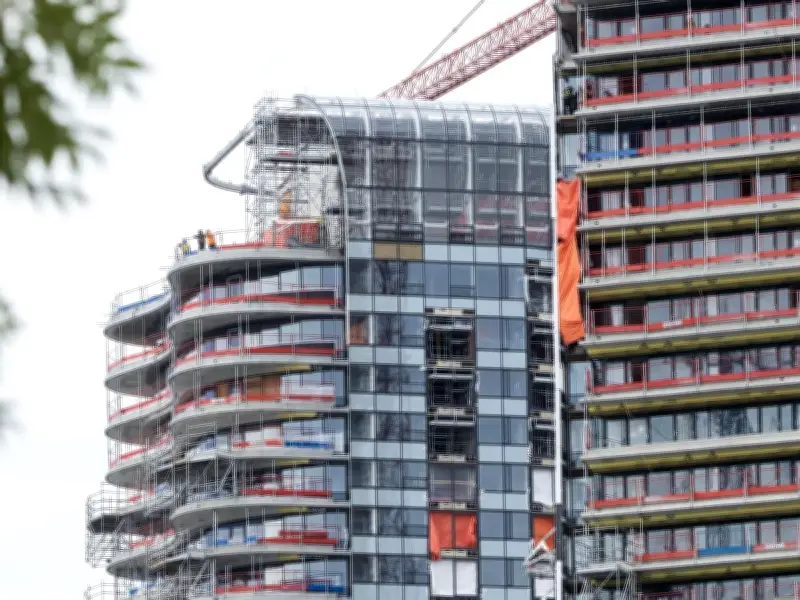
On the supply side, the completions hitting the market today were conceived in 2020 to 2022 when rents were growing, vacancy and interest rates were both at historic lows, and investment demand for rental properties was through the roof. That pipeline was built up under entirely different market conditions. And now, while taking credit for its dividends, the government has done everything possible to shut off the tap.
The NDP's Negative Impact
There are two areas where the NDP has had a measurable effect on the market, neither of them positive. Their anti-growth policy environment and hostile rhetoric toward investors have accelerated an exodus of mostly young, working-age residents to other provinces, particularly Alberta, shrinking the renter population the government claims to be serving.
At the same time, small-scale rental condominium investors — who, until recently, have accounted for roughly 40 per cent of rental units in Metro Vancouver — have been exiting the market, spooked by rent controls, regulatory uncertainty, and returns that no longer make business sense.
In the short term, reduced demand from those investors has led to a glut of unsold strata units, lower prices, and attractive incentives for buyers. But the more consequential impact is on the longer-term: Presale contracts from small investors are what make construction financing possible, and without them, the next generation of projects simply won’t get built.
Once the current pipeline empties, B.C. faces a return to untenable rental market conditions: tight supply and rising prices.