B.C. Supportive Housing Operators Acknowledge Need for Model Reform Amid Concerns
Provincial government initiatives aimed at addressing homelessness and substance-use challenges in British Columbia are encountering significant opposition and project cancellations across the province. Recent developments include the cancellation of supportive housing projects in Burnaby and Abbotsford, highlighting growing tensions between community needs and neighborhood acceptance.
Community Concerns and Project Rejections
Supportive housing facilities, which provincial officials view as safer alternatives to tent encampments, are designed to provide vulnerable individuals with stable housing alongside essential services. These services typically include 24/7 staffing, employment assistance, and mental health support. However, operators themselves now acknowledge that the current model requires substantial reform.
There are mounting concerns about perceived increases in drug use and safety problems in neighborhoods where these facilities are established. Housing operators have specifically warned about insufficient funding to adequately serve residents and limitations in their ability to evict problematic tenants, creating challenges for both residents and surrounding communities.

Local Opposition and Geographic Constraints
In Abbotsford, Mayor Ross Siemens explained that a proposed 42-bed temporary modular facility for homeless individuals over age 45 was rejected due to its proximity to an elementary school. Unlike other supportive housing locations near schools in the community, this particular facility was not planned as abstinence-based housing.
"I think that this one came down more to the drug use and some of the other off-site things that that attracts, which is very problematic, especially for schools and when they don't have other services in the area," Siemens stated. The mayor further noted that Abbotsford faces unique geographic challenges, with 72 percent of land designated as part of the Agricultural Land Reserve, leaving limited options for supportive housing placement.
Project Cancellations Across the Province
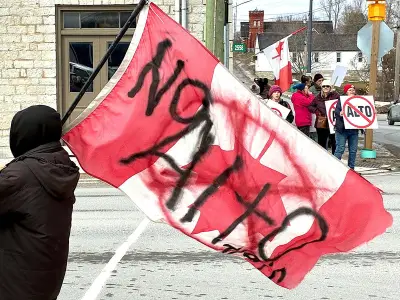
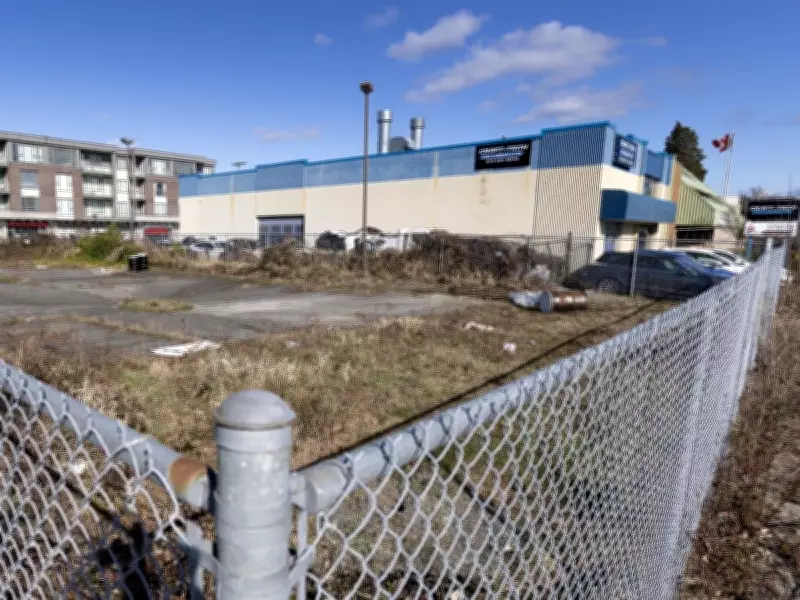
In Burnaby, B.C. Housing withdrew provincial funding for a proposed development in the Royal Oak neighborhood that would have included 40 supportive housing units and 10 complex care units. The project faced substantial community opposition, with a petition against the development gathering over 14,000 signatures.
Vancouver has also taken action, with city council announcing last year that it would pause funding for new supportive housing projects. Mayor Ken Sim emphasized that Vancouver currently hosts 77 percent of the Lower Mainland's supportive housing despite having only a quarter of the region's total population.
"We need to rethink hyper-concentration of services in the Downtown Eastside," Sim declared. "For too long, multiple levels of government have enabled and encouraged the concentration of supportive housing, shelter spaces and dozens of social service, non-profit organizations in this small, four-square-kilometre neighbourhood."
Operators Call for Systemic Changes
Supportive housing operators across British Columbia are now openly discussing the need for fundamental changes to their operational model. The challenges include balancing the needs of vulnerable residents with community safety concerns, securing adequate funding for comprehensive services, and addressing geographic distribution issues that concentrate services in specific areas.
The cancellations in Burnaby and Abbotsford represent broader patterns of resistance to supportive housing developments throughout the province. As operators work to reform their approach, they face the complex task of creating sustainable models that serve vulnerable populations while maintaining community support and addressing legitimate safety concerns.