Realtor's Warning: These Six Renovations Rarely Deliver Financial Returns at Resale
Many Canadian homeowners operate under the assumption that money invested in home improvements will be fully recouped when they eventually sell their property. However, according to Edmonton-based realtor Dennis Faulkner, numerous upgrades that feel logical and responsible often fail to increase a home's value on a dollar-for-dollar basis. The reality is that not all renovations are created equal when it comes to investment recovery.
The purpose of this guidance is not to discourage renovations altogether, but rather to help homeowners understand what the current real estate market actually rewards—and, more importantly, what it typically does not. Making informed decisions can prevent significant financial losses and ensure that renovation budgets are allocated to projects with the highest potential for return.
1. Mechanical System Upgrades
While replacing or upgrading essential mechanical systems—including furnaces, hot water tanks, air conditioning units, plumbing, and electrical systems—can undoubtedly increase a property's desirability and functionality, these improvements often come with a negative financial payback. The substantial cost of these upgrades frequently exceeds any corresponding increase in the property's final sale price. Buyers generally expect these systems to be in working order, viewing them as standard requirements rather than value-adding features.

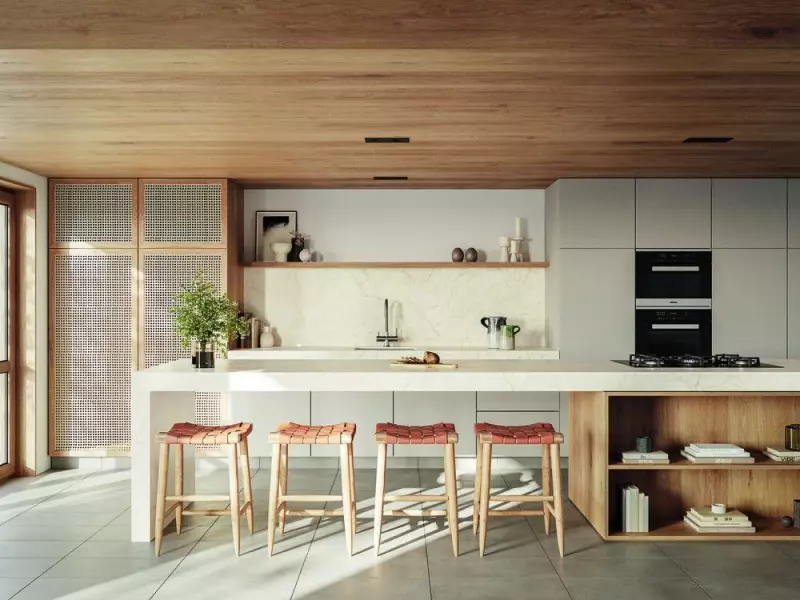
2. High-End Kitchens in Mid-Range Homes
On the surface, investing in a luxurious kitchen renovation seems like a smart move, given that kitchens are among the most-used rooms in any home and can significantly impact buyer decisions. However, spending $75,000 on a kitchen overhaul in an average home, compared to a more modest $30,000 renovation, will often result in a negative return on investment.
This phenomenon ties directly to the principle of conformity in real estate valuation. This principle states that a property's value is maximized when it is similar in style, size, quality, and features to surrounding properties. It also applies internally: if the rest of the home does not match the condition and finishings of a new, high-end kitchen, homeowners are unlikely to recover their renovation costs.
3. Luxury Bathrooms and Spa Upgrades
Heated floors, custom tile work, and steam showers might seem like irresistible additions that would appeal to any potential buyer. In practice, however, these luxury bathroom upgrades rarely pay back financially. Most buyers prioritize cleanliness, functionality, and modern fixtures over spa-like features. Some may even have maintenance concerns about complex systems, and personal aesthetic preferences vary widely among buyers.
A more financially prudent approach involves updating key elements like fixtures, lighting, paint, and flooring without venturing into ultra-luxury territory.
4. Basement Finishing for Specific Lifestyles
Converting basement space into dedicated areas for home theatres, gyms, or elaborate wet bars can seem intelligent because they add usable square footage. However, these renovations often reduce natural lighting and make the space feel carved up and compartmentalized. Since these specialized spaces are not equally valued by all buyers, maintaining flexible, open layouts typically proves more advantageous for resale value.
5. Overly Personalized Design Choices
Highly specific design elements—including bold feature walls, statement lighting fixtures, and unconventional colour palettes—can backfire dramatically when it comes time to sell. Buyers will often mentally subtract the estimated cost of undoing these personalized choices from their offer price. Furthermore, strong emotional reactions to unconventional designs can result in fewer offers overall, limiting competition and potentially lowering the final sale price.
6. The Importance of Strategic Renovation Planning
Faulkner emphasizes that the key to successful home improvements lies in strategic planning aligned with market expectations. Homeowners should consider:

- Researching comparable properties in their neighborhood before undertaking major projects
- Focusing on renovations that improve functionality and appeal to broad buyer demographics
- Consulting with real estate professionals about local market preferences
- Prioritizing maintenance and repairs over purely aesthetic upgrades with limited appeal
By understanding which renovations typically fail to deliver financial returns, Canadian homeowners can make more informed decisions that protect their investment and maximize their property's market appeal when the time comes to sell.