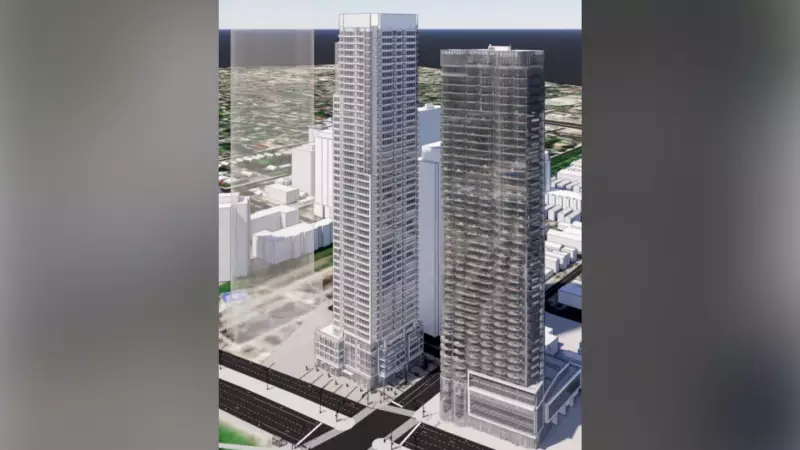
Ottawa's skyline is poised for a dramatic transformation with a proposal to construct the city's tallest residential building. Claridge Homes has unveiled plans for a 50-storey high-rise at the intersection of Carling Avenue and Prescott Street, directly across from its existing Claridge Icon tower in the Dow's Lake area.
A New Landmark for the Capital
The ambitious project, detailed in a City of Ottawa report, would see a new residential tower rise to unprecedented heights for the city. If approved, the development would become Ottawa's largest high-rise, significantly altering the visual profile of the popular Dow's Lake neighbourhood. The site is strategically located near major transit routes and the scenic Dow's Lake, making it a prime location for high-density urban living.
Details of the Development Proposal
The proposal was formally submitted by Claridge Homes, a prominent local developer with a significant portfolio in the Ottawa region. The project aims to add substantial residential capacity to an area already experiencing rapid growth and intensification. The exact number of units, architectural design, and community amenities have yet to be fully disclosed, but the scale alone indicates a major commitment to vertical urban development in the capital.

The location at Carling Avenue and Prescott Street places the proposed tower within a key urban corridor. Its proximity to the existing Claridge Icon building suggests the developer's continued confidence in the market demand for high-end residential units in this specific part of Ottawa. The project will now undergo the city's rigorous planning and approval process, which will include consultations on zoning, density, and its impact on local infrastructure and community character.
Potential Impact and Next Steps
The introduction of a 50-storey tower will inevitably spark discussions about urban density, housing supply, and the future shape of Ottawa's core neighbourhoods. Proponents will likely highlight the need for increased housing options and efficient land use near transit hubs. Meanwhile, the proposal will be scrutinized for its effects on traffic, shadows, wind patterns, and the existing streetscape.
As the planning process moves forward, residents and city planners will weigh the benefits of adding a landmark tower against the considerations of neighbourhood integration. This proposal marks a pivotal moment for Ottawa's development landscape, signaling a move towards more pronounced high-rise living in the heart of the city. The outcome of this application could set a precedent for the height and density of future projects in Ottawa for years to come.