As 2026 unfolds, the Edmonton region's home building and renovation sectors are gearing up for a year defined by practical evolution rather than sci-fi fantasy. Forget the flying cars of The Jetsons or walls lined with touchscreens; the future of housing in Alberta's capital is being shaped by more grounded priorities: a wider variety of home types, a relentless focus on affordability, and a deepening commitment to sustainability.
Industry Leaders Chart the Course for 2026
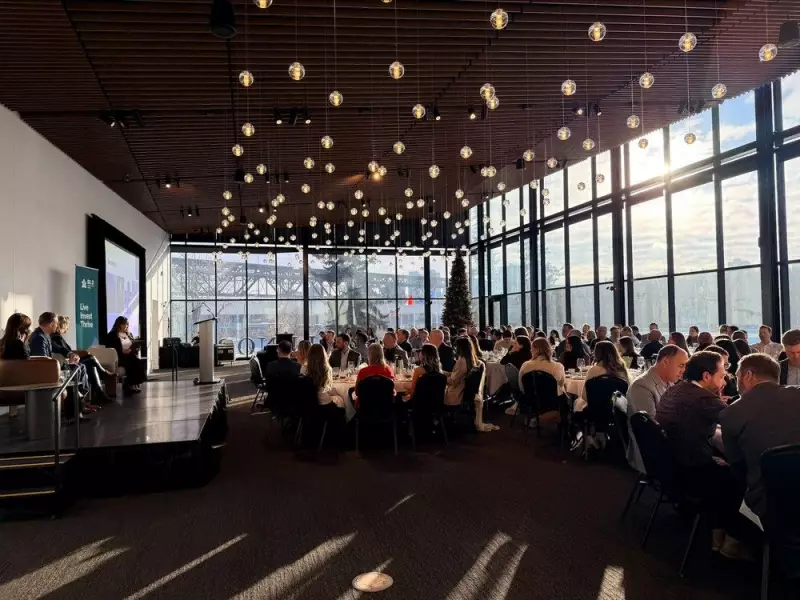
This outlook was solidified at a recent BILD Edmonton Metro luncheon held at the Royal Glenora Club in late 2025. The event brought together industry professionals to dissect the motivations of modern homebuyers and anticipate the needs of tomorrow's residents. Speakers from leading firms like Chalkmark Residential, Diamond Contracting, Landmark Homes, and Park Lighting and Furniture shared their insights on the year ahead.
Kalen Anderson, CEO of BILD Edmonton Metro, emphasized the critical need for the industry to adapt. "As we reflect on the past year and look toward the next, it has never been more important to understand what people are seeking in their homes and communities," Anderson stated. She stressed that anticipating consumer motivations is central to building resilient and vibrant communities that truly reflect the region's growing and diverse population.

Three Pillars: Diversity, Affordability, and Efficiency
The consensus from industry experts points to three interconnected trends that will dominate 2026. Jenifer Christenson, CEO of the Edmonton-based national organization Built Green Canada, confirmed that while these themes have gained momentum in recent years, they are now paramount. "Product diversification; affordability; and efficient, smarter, quality builds" remain high on the radar, she said, driven by economic conditions and shifting demographics.
This push for product diversification means builders are moving beyond traditional single-family home models. Alessandra Bruni-Smith, principal owner of ChalkMark Residential, highlighted the need to accommodate multi-generational living. This could include designing new homes or renovations with main-floor bedrooms to improve accessibility. Furthermore, the market will see more smaller, narrower single-family homes, townhomes, and duplexes. This shift in product type is a direct response to the pressing need for attainable housing options that allow more people to enter the market.
Building a Sustainable and Responsive Future
The emphasis on efficient, smarter builds aligns closely with the growing consumer interest in sustainability and lower operating costs. Built Green Canada's role in providing third-party certification for energy-efficient and environmentally friendly homes is expected to become even more significant. The focus is on quality construction that reduces long-term energy consumption and environmental impact, moving away from gimmicky technology toward integrated, practical efficiency.
In summary, the Edmonton-area housing sector in 2026 is set to be characterized by a pragmatic and responsive approach. The industry is adapting to economic pressures and demographic changes by offering a broader range of housing products, prioritizing cost-effective construction and ownership, and embedding sustainable practices into the core of new builds and major renovations. The goal is clear: to create homes and communities that are not only desirable but also accessible and responsible for the long term.