Ring of Fire Mining Project Advances Through Regulatory Process
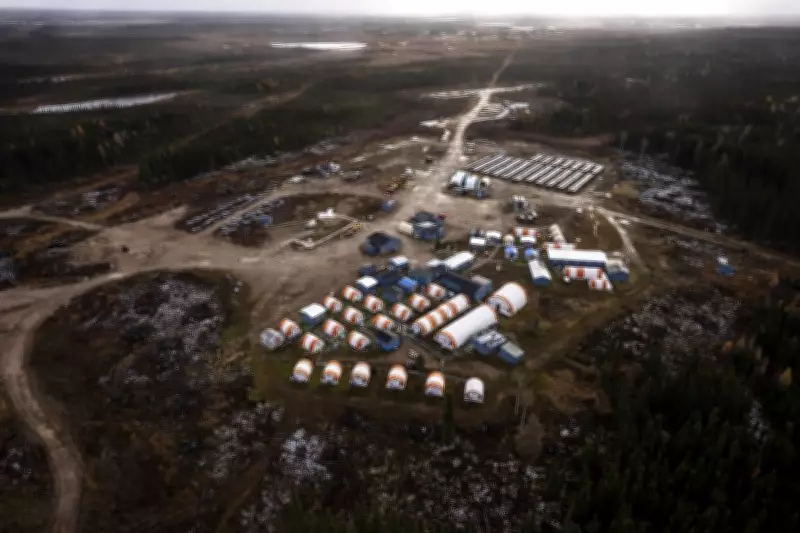
A significant mining initiative proposed for the Ring of Fire region in northern Ontario has cleared another critical regulatory hurdle, marking a step forward in the development of this remote mineral-rich area. The Esker mining camp, located in the James Bay lowlands, is at the center of this project, which aims to tap into valuable resources that could boost the local and provincial economy.
Regulatory Progress and Environmental Considerations
The regulatory approval process for the Ring of Fire mine involves multiple stages, including environmental assessments and consultations with Indigenous communities. This latest clearance indicates that the project has met specific regulatory requirements, though it still faces further reviews and potential challenges. Proponents argue that the mine could create jobs and stimulate economic growth in a region with limited industrial activity.
However, environmental groups and some First Nations leaders have expressed concerns about the potential impacts on the fragile ecosystem of the James Bay lowlands. The area is known for its wetlands and wildlife habitats, raising questions about sustainable development practices. Ongoing discussions focus on balancing economic benefits with environmental protection and Indigenous rights.

Broader Context and Future Steps
The Ring of Fire is a vast mineral deposit zone in northern Ontario, estimated to contain billions of dollars worth of chromite, nickel, copper, and other metals. Development has been slow due to logistical challenges, such as the lack of infrastructure, and regulatory complexities. This regulatory milestone is part of a longer process that includes building roads and other support systems to access the remote site.
Future steps for the project will likely involve additional approvals, community engagements, and environmental mitigation plans. Stakeholders, including government agencies, mining companies, and Indigenous groups, continue to negotiate terms to ensure that development proceeds responsibly. The outcome could set a precedent for other resource projects in Canada's northern regions.
As the project moves forward, it remains a focal point in debates over resource extraction, Indigenous sovereignty, and environmental stewardship in Ontario. The regulatory clearance is a positive sign for supporters but underscores the need for careful planning and collaboration to address the diverse interests involved.