Deep in the Athabasca Basin of northern Saskatchewan, one of the world's largest uranium deposits lies 480 metres below the surface. The Cigar Lake mine, operated by Cameco Corp., has been in operation for over a decade, but until now, no outsider had set foot inside since the nuclear boom began. Reporters recently gained rare access to this remote facility, home to more than 400 employees and contractors who work around the clock to extract uranium that powers reactors worldwide.
Daily Descent into the Mine
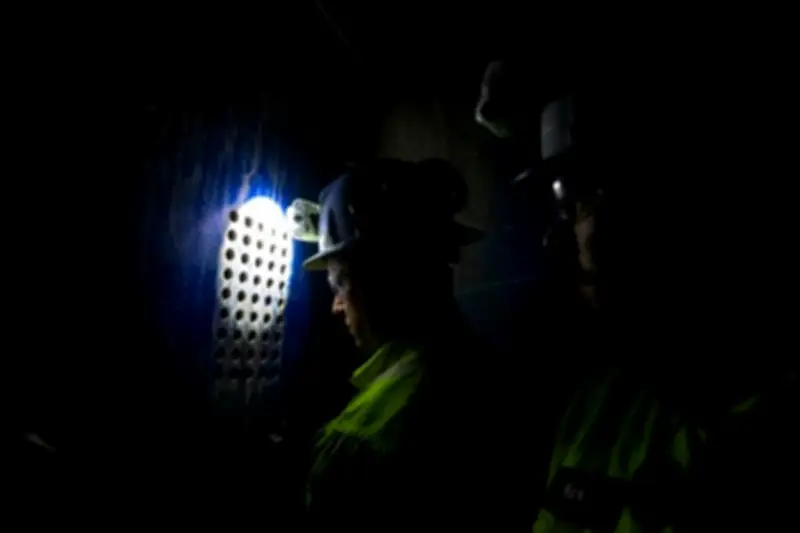
Taryn Roske, a jet bore operator, steps into the cage—a mine shaft elevator that plunges 480 metres into the earth, roughly the height of New York's Empire State Building. She is packed into the metal box with 21 other workers as daylight fades above the latched steel doors. It's the last natural light she'll see until she returns to the surface 13 hours later. "I just zone out and close my eyes for the three-minute ride and try to get a little bit more sleep," Roske says.
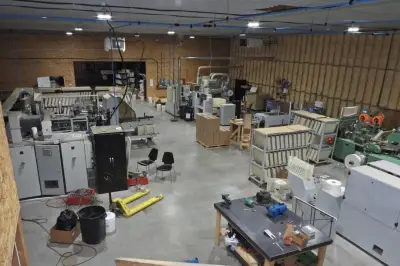
Only about 80 workers spend as much time underground as Roske, operating machinery that uses high-pressured water to chisel away uranium ore. The jet boring system, developed specifically for Cigar Lake, emits a constant low hum. "The days can go by really fast when you're down there because you don't really have a sense of time," she adds.

Engineering Marvel in a Water-Saturated Environment
The Athabasca Basin is a giant pit of sand and water, making mining a formidable challenge. Cameco discovered the deposit in 1981, but it took years to engineer a method to extract uranium from sandstone saturated with nearby lake water without flooding the mine. Engineers freeze a barrier by injecting brine cooled to minus 30 degrees Celsius into the ground through over 1,340 holes spaced six metres apart. This holds the overhead material stable so drilling can proceed from below.
"The ground moves all the time; we can't stop it. If the earth wants to move, the earth is going to move," says Kirk Lamont, general manager of the Cigar Lake operation. Workers constantly monitor for signs of collapse. Despite the challenges, the uranium ore here has a grade 100 times higher than the world average, making the process profitable. "There's no other commodity like uranium," says Cory Kos, Cameco's vice-president of investor relations. "There's such a high value. We can use these admittedly inefficient mining methods."
Fly-In, Fly-Out Lifestyle
All employees fly in and out of the remote site, which includes lodgings, a gym, boats for fishing on Waterbury Lake, and a buffet serving four set meals daily. Roske, who started working in northern mines at age 20, now lives in Saskatoon but spends two weeks at a time at Cigar Lake. She boards a 44-passenger chartered flight from Saskatoon, with commutes lasting up to three hours if the plane stops in La Ronge to pick up other workers. The view from the window transitions from farmland to dense boreal forest, with shimmering lakes visible from 21,000 feet.
"It's tough on relationships, being away all the time," Roske admits. She has only had four Christmases off in 16 years, as she often gives priority to coworkers with children. Her family celebrates holidays in January instead. Camille Pouteaux, senior coordinator of environment, quality and regulatory affairs, has worked for Cameco for 17 years and values the work-life balance. She arrives on site Monday and returns home to La Ronge Thursday evening. "After a 12 or 13-hour shift, you're still going out fishing for a few hours, and then fileting fish. People just make it work," she says.
Uranium Boom and Global Demand
The mine produces 18 million pounds of uranium annually—enough to power Saskatchewan's electric grid for 22 years. A resurgence in nuclear power has driven soaring demand for Cameco's high-quality fuel. In the first quarter of 2026, the average realized price for uranium sold was just over $91 per pound, while production costs were just over $58 per pound, yielding a healthy profit margin. Cameco recently signed a $2.6-million deal with India to supply 22 million pounds of uranium ore concentrate over nine years. The company also formed a massive US$80-billion partnership with the U.S. government for its joint-owned Westinghouse Electric Co. to deploy reactors across the United States.

Despite the pressure to meet demand, Lamont emphasizes safety above all. A sign at the entrance to the cage reminds workers: "NO JOB IS SO IMPORTANT THAT WE CAN NOT TAKE THE TIME TO DO IT SAFELY!" He recalls the Fukushima nuclear accident in 2011, which "devastated" the uranium business and led to layoffs. "We ended up taking three of our four operations into care and maintenance, so there were hundreds of people that became unemployed because of that," Lamont says.
Life Above and Below Ground
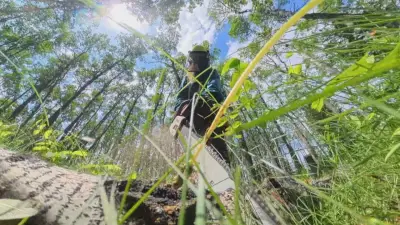
After a long shift, workers return to the surface to shower and eat. Roske soaks in the soft sunlight during her walk back to quarters. In summer, fishing is prime activity, with workers signing out boats to catch walleye, lake trout, and northern pike. Winter brings ice-fishing shacks and cross-country skiing. The site also offers movie nights, card tournaments, and yoga clubs. "You can do anything you want up here," Pouteaux says. "It doesn't feel like you're lacking or wanting anything."
Roske met her partner at Cigar Lake when she was a contractor, and their flight schedules aligned. Now she lives a double life: focused and social at camp, reclusive at home. "I feel like I live a double life," she says. "There's like work Taryn, and then home Taryn, and it's like two different people."