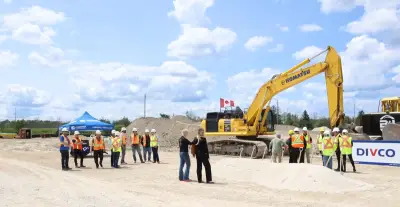
Canada is once again setting its sights on monumental national projects. A rare political consensus is emerging around the urgent need to develop resources like the Ring of Fire, expand energy networks, and revitalize the country's industrial base. The goal is to move these critical endeavors from the realm of government announcements into tangible reality.
The Ambition Gap: From Announcements to Reality
This renewed ambition to build at scale is a welcome shift in the national conversation, a drive that has been absent for too long. However, ambition without the necessary capacity is merely another form of fantasy. Canada is running out of time for such fantasies. Every major project currently under discussion shares a common, daunting requirement: they need far more than construction crews and engineers.
These projects demand complete, functioning communities capable of supporting the thousands of workers who will bring them to life. From housing and healthcare to schools and transit, the supporting ecosystem is non-negotiable. As it stands, the nation is unprepared for this human dimension of large-scale development.

Beyond the Headcount: The Real Challenge of a Boom
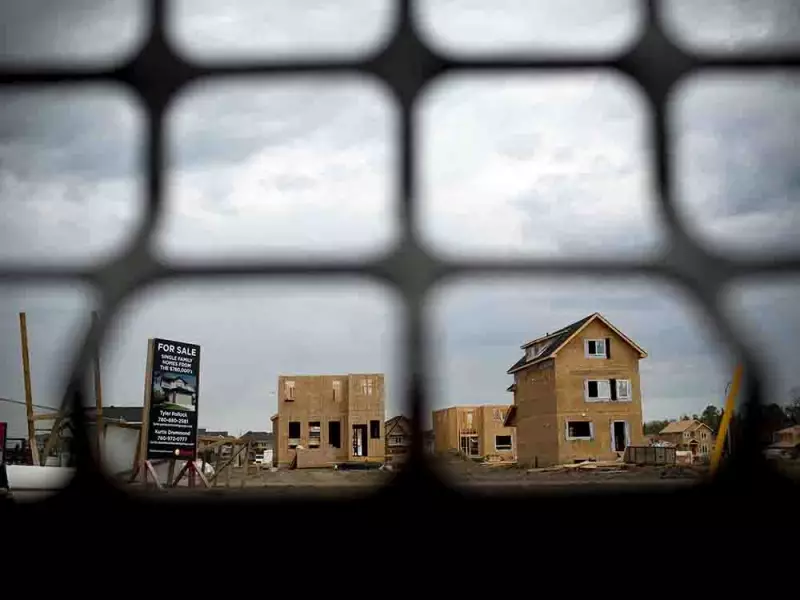
Governments frequently tout job numbers—1,200 positions here, 3,000 there—but the reality is more complex. Influxes of workers bring families, intensifying stress on local housing markets and creating an immediate, surging demand for nurses, paramedics, teachers, and early-childhood educators. Basic infrastructure like roads, water, and recreation facilities is pushed to its limits.
You cannot build a mine, a highway, or a battery plant without simultaneously building the ecosystem that allows people to live ordinary, stable lives around these extraordinary projects. Recent reforms, like Ontario's measures to improve labour mobility and reduce red tape for certified workers, are a positive step. They address half of the problem by helping to get skilled tradespeople on site faster.
The Fort McMurray Lesson: Community Building Always Lags
The other half of the problem is far harder: housing supply, community infrastructure, and the social systems that prevent a boomtown from becoming a community burden. The experience of Fort McMurray during the oilsands boom serves as a potent case study.
The town transformed almost weekly from a remote northern outpost into a sprawling, young city. New neighbourhoods, schools, a growing hospital, and recreation centres rose from the ground. While it ultimately received the services it needed, this did not happen automatically or quickly. It required years of relentless pressure, constant catch-up efforts from all levels of government, and immense civic dedication from residents building a life, not just collecting a paycheque.
The enduring lesson is that even with the best intentions, ample funding, and a clear understanding of the stakes, the community-building side of mega-projects is invariably the most difficult part. It perpetually lags behind the progress on the job site, and the strain on local residents can be profound. As Canada gears up to do big things once more, remembering and planning for this human infrastructure is the lesson it cannot afford to forget.