British Columbia Achieves Breakthrough in Mining Permit Efficiency
In a significant development for British Columbia's resource sector, the provincial government has dramatically reduced the time required to issue permits for major mining projects. Through an innovative pilot program, the Mount Milligan mine-life extension received its final approvals in less than 10 months—a remarkable improvement from the typical two-year timeframe such proposals usually require.
Mount Milligan Mine Expansion Receives Swift Approval
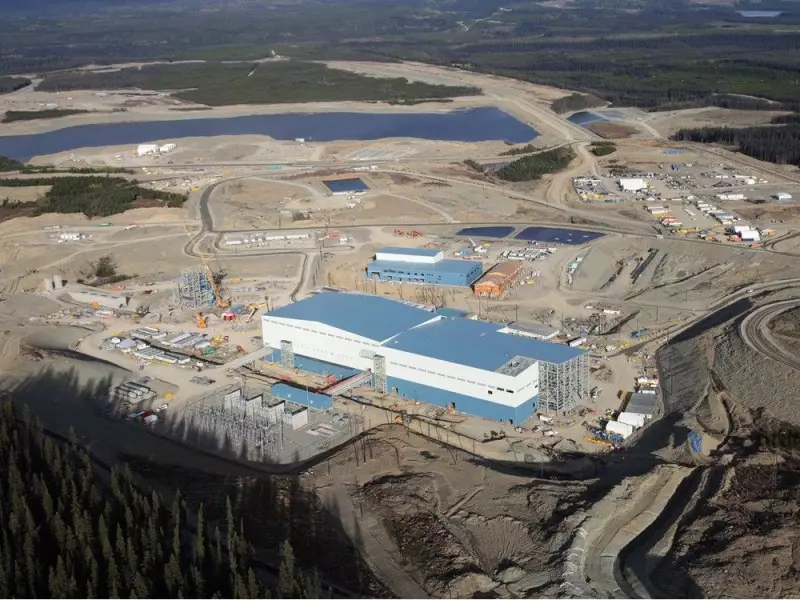
The Mount Milligan operation, a surface copper and gold mine located approximately 155 kilometers northwest of Prince George in central British Columbia, has become the latest beneficiary of this streamlined approach. Centerra Gold, the mine's operator, received its environmental permit on January 5, with final approvals announced shortly thereafter.
This accelerated process paves the way for Centerra to commence work on expanding its existing mine, which will extend its operational life by seven years to 2035. According to company CEO Paul Tomory, the deposit holds potential for "decades of mine life" beyond this extension.

Provincial Leadership Hails Permitting Success
Premier David Eby joined Mining Minister Jagrup Brar at the B.C. Natural Resources Forum to announce this milestone, emphasizing its importance for both the local economy and provincial services. "This means hundreds of jobs are guaranteed for families for the next decade," Eby stated. "It means hundreds of millions of dollars in the local economy, resources for the province to be able to deliver health care, education and other critical services."
Eby described the 10-month timeline as "remarkable, given that typical approvals were previously two years for a project like this."
Innovative Process Addresses Industry Concerns
Delays and extended timelines for permitting, along with regulatory changes that often occur mid-process, have long been key complaints within the mining industry. The pilot project for Mount Milligan was specifically designed to address these challenges.
Minister Brar explained that the province implemented a "single application" combined process in which all relevant offices—including his ministry, the Ministry of Environment, and the Environmental Assessment Office—receive information simultaneously to eliminate duplication and streamline decision-making.
Building on Previous Success
The Mount Milligan achievement follows an earlier test of this streamlined approach with Teck Resources' $2.4 billion Highland Valley copper mine-life extension project, which saw a 34 percent reduction in processing time compared to standard procedures. With Mount Milligan's permitting taking just half the usual time, the province has demonstrated consistent improvement in its efficiency.
"So we're getting better at it, and our goal is to ensure that those benefits accrue to projects that are in the process going forward," Premier Eby added, indicating that this successful model will likely be applied to future mining projects across the province.
Industry Response and Economic Implications
Centerra Gold CEO Paul Tomory praised the pilot project as "the most efficient permitting processes that I've ever been involved in." He noted that the results represent a dramatic departure from the timelines he would have expected even a few years ago, suggesting a fundamental shift in how British Columbia approaches resource development approvals.
This accelerated permitting process not only benefits mining companies through reduced uncertainty and faster project implementation but also supports local communities through sustained employment and economic activity. The Mount Milligan expansion alone will secure hundreds of jobs for the next decade while contributing significantly to the regional economy.
As British Columbia continues to refine its approach to resource sector approvals, the Mount Milligan case study demonstrates how coordinated government action can balance environmental considerations with economic development priorities, potentially serving as a model for other jurisdictions facing similar challenges in natural resource management.