

Arbitrator Orders Reinstatement of Heavy Machine Operator in Toronto Workplace Dispute
An independent arbitrator has mandated the immediate return to work for a heavy machine operator who was dismissed from a safety-sensitive manufacturing facility in Toronto last summer. The termination followed allegations that the employee consumed cannabis during his lunch break and subsequently displayed what management described as insolent conduct toward a senior supervisor after being suspended pending an investigation.
Details of the Workplace Incident and Investigation
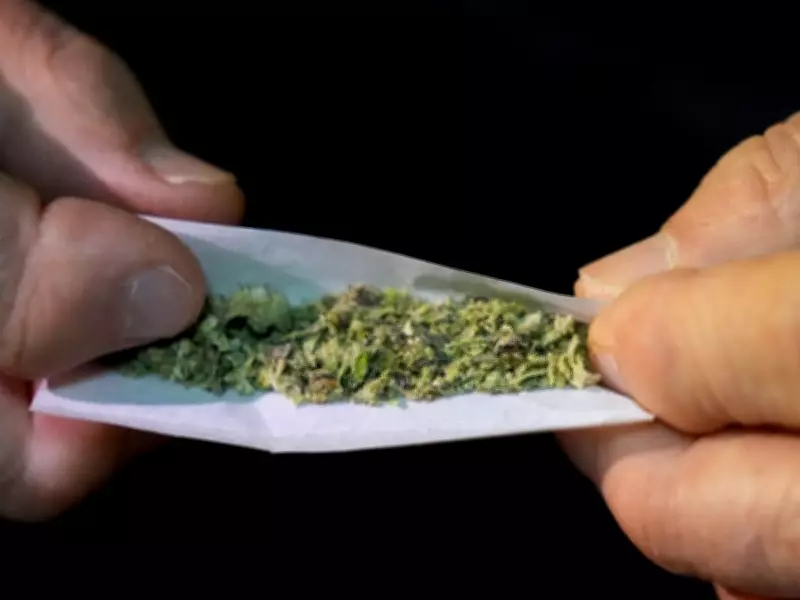
Joseph Sutton, a member of United Steelworkers Local 3950-65, was discharged on July 8, 2025, from MSC Toronto, a plant operated by Continuous Colour Coat Limited that specializes in producing custom coil-coated steel products. The arbitration process revealed that Sutton allegedly smoked what appeared to be a hand-rolled cannabis joint while wearing company overalls during a lunchtime walk around the plant premises.
Quality manager Mohammed Mazaheri testified that he observed Sutton smoking during his own lunch break walk, noting the unusual location since designated smoking areas exist within the plant. Mazaheri reported detecting a strong cannabis odor that intensified as he approached Sutton, expressing concern that the operator would return to work in an impaired state that could compromise workplace safety.

Safety Considerations and Plant History
Arbitrator Rishi Bandhu emphasized in his January 30 decision that there was no dispute about the safety-sensitive nature of both the workplace and Sutton's specific duties operating the control panel for the plant's paint line. This position requires complete attention and unimpaired senses, with the arbitrator noting that a previous fatality at the Etobicoke facility in March 2018 underscores the critical importance of safety protocols.
"The occurrence of a fatality at the plant underscores the need to take safety seriously," Bandhu wrote in his decision. He also acknowledged that plant rules explicitly prohibit "reporting to work under the influence of alcohol or other intoxicants," a policy Sutton himself admitted was reasonable and deserving of discipline when violated.
Evidence and Timeline of Events
According to the arbitration findings, Sutton left the plant at approximately 12:29 p.m. on July 8, 2025, and returned around 12:47 p.m. While Sutton denied smoking cannabis and claimed he was smoking a Player's Light cigarette, the arbitrator found compelling evidence to the contrary based on witness testimony and circumstances.
"The evidence before me indicates that on July 8, 2025, Mr. Sutton smoked cannabis after 12:29 p.m. when he left the plant," Bandhu stated in his decision. "Although I did not hear evidence about the time that Mr. Sutton recommenced his post-lunch duties on the control panel, I am satisfied that he would have done so within a window of time that he was under the influence of cannabis."
Post-Suspension Conduct and Final Ruling
The case took an additional turn when Sutton, after learning of his suspension, reportedly called the plant manager "a f—-ing joker"—behavior characterized as insolent by management. Despite this and the confirmed violation of workplace substance policies, the arbitrator determined that termination was not the appropriate disciplinary response under the circumstances.
Bandhu's decision acknowledges Sutton's admission that smoking cannabis during work hours was wrong while balancing this against principles of progressive discipline and labor relations standards. The ruling highlights the complex intersection of workplace safety requirements, evolving cannabis policies following legalization, and traditional labor arbitration principles in Canadian employment law.
This case represents another example of how Canadian workplaces continue to navigate the implications of cannabis legalization while maintaining safety standards in industrial environments where impairment could have serious consequences.






