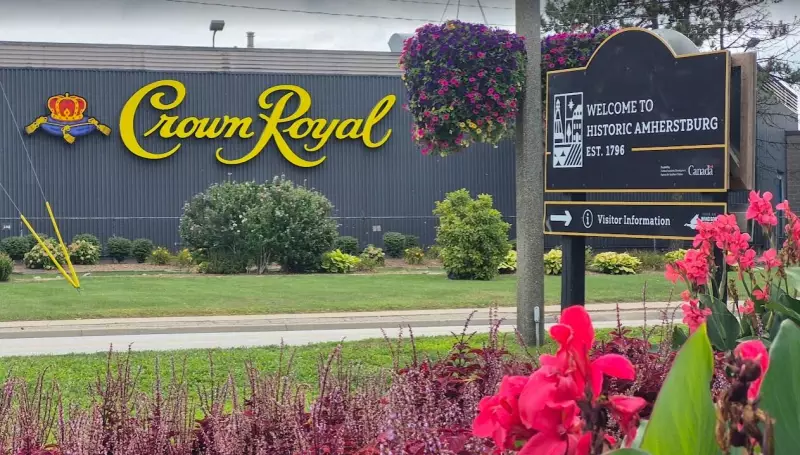
Workers at the Diageo bottling facility in Amherstburg have officially ratified an agreement governing the terms of the plant's permanent closure. The vote finalizes a significant chapter for the local manufacturing sector, directly affecting the workforce and the broader Windsor-Essex community.
Details of the Ratified Closure Agreement
The agreement, ratified on December 1, 2025, outlines the conditions for the shutdown of the Diageo operation in Amherstburg, Ontario. While specific financial terms of the severance and closure package were not publicly disclosed, such agreements typically cover severance pay, benefits continuation, and potentially retraining support for displaced employees. The plant, which employed a workforce of roughly 400 people, has been a notable employer in the region. The ratification by the workers' union indicates that the negotiated terms were accepted by the majority of the membership, bringing a measure of certainty to the process.
Impact on the Local Community and Economy
The closure of a major facility like the Diageo plant represents a substantial economic blow to Amherstburg and the surrounding area. The loss of hundreds of stable, well-paying manufacturing jobs will have ripple effects on local businesses and services. The town now faces the challenge of supporting displaced workers and seeking new economic opportunities to fill the void left by Diageo's departure. The agreement ratification is a crucial step, but the long-term community and economic impacts will unfold over the coming months and years.

Context and Looking Forward
The Diageo plant closure is part of broader trends affecting certain manufacturing sectors. The ratified agreement provides a structured pathway for the wind-down of operations. For the 400 affected workers and their families, the focus now shifts to transitioning to new employment, utilizing support mechanisms outlined in their agreement. The outcome also highlights the importance of collective bargaining in managing large-scale industrial transitions, ensuring workers have a voice in the process that directly shapes their livelihoods.