CUPE's Statement on Iran Sparks Controversy Over Focus and Ideological Alignment
In a recent development that has ignited debate across Canadian labor and political circles, the Canadian Union of Public Employees (CUPE) released a statement on January 30, 2026, addressing the ongoing situation in Iran. While the union expressed solidarity with the Iranian people and condemned repression, critics argue the statement reveals a distorted obsession with Israel that overshadows genuine worker advocacy.
Context of Iranian Protests and Regime Brutality
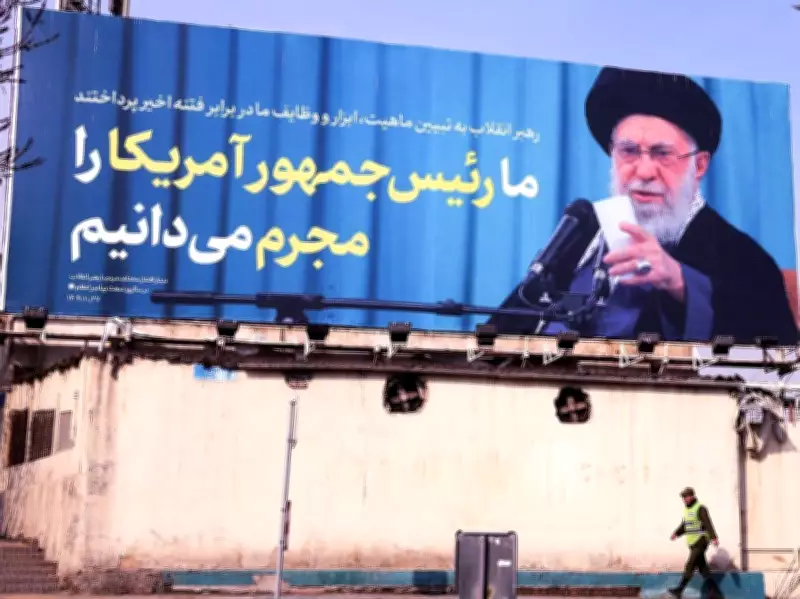
The current wave of unrest in Iran began in late December 2025, initially as economic protests that rapidly escalated into open revolt against the Islamic Regime. Under conditions of internet blackouts and severe censorship, reports indicate that an unknown number of Iranians have been massacred by the Islamic Revolutionary Guard Corps (IRGC) and its Basij paramilitaries. This brutality reflects the longstanding repressive machinery of the Islamic Republic, which has maintained control through fear and violence for decades.
CUPE's Statement: Solidarity or Moral Laundering?
Against this backdrop of domestic Iranian oppression, CUPE's statement has been criticized for what some describe as "moral laundering." Rather than focusing exclusively on the regime's actions, the statement denounces "foreign intervention" by Israel and the United States. This framing, according to analysts, suggests that Iranian workers' primary concern is external democracies rather than the immediate brutality of their own government.

This approach appears painfully ironic to observers, as CUPE's warning against "foreign interference" echoes the very worldview advanced by the Islamic Republic itself. The regime has consistently used anti-Western rhetoric to deflect from internal criticism while exporting repression through proxy groups across the Middle East.
Connections to Iranian Networks in Canada
The controversy deepens when examining CUPE's associations with groups sympathetic to the Iranian regime within Canada. The union has cultivated relationships with local NGOs and coalitions that some argue work to shape Canadian public opinion in favor of Tehran's interests. This connection was notably evident in June 2025 when CUPE Ontario endorsed the "Hands off Iran" protest, aligning with organizations that have celebrated attacks on Israel and called for its elimination.
At the heart of this behavior lies what critics describe as CUPE's reflexive tendency to vilify Israel at every opportunity, funded by members' dues regardless of individual consent. The ideological alignment becomes particularly concerning given that the IRGC and Hamas share a hostility toward democracy and Israel's existence—a worldview that CUPE's statements sometimes appear to mirror.
Internal Climate and Impact on Jewish Members
For Jewish members within CUPE, the internal climate has reportedly become increasingly hostile. Some have felt unable to attend meetings safely, leading to human rights complaints. Meanwhile, union leadership has been accused of platforming a fringe minority of tokenized Jewish voices to create a false appearance of balance, masking what critics describe as growing institutional hostility.
This context explains why CUPE took considerable time to address the carnage in Iran, and when it finally did, failed to name the actual perpetrators—the Islamic Republic, its Supreme Leader, and the IRGC. Instead, the statement redirected focus toward Israel and the United States, effectively obscuring the forces that have oppressed Iranians for nearly half a century.
Broader Implications for Canadian Union System
The controversy extends beyond foreign policy to fundamental questions about union mandates in Canada. Critics argue that CUPE's ideological capture comes at the expense of dues-paying members through the outdated 1946 Rand formula, which compels workers to fund union activities regardless of personal ideology. Additionally, Canadian taxpayers indirectly support union wages and pensions—and by extension, these contested activities.

With resources diverted toward foreign ideologies and internal politics, less investment flows into core labor issues such as collective bargaining, workplace safety, economic adaptation, and skills training for technological change. This represents what some describe as a betrayal of the union's fundamental purpose, draining resources from genuine labor representation.
Canadians deserve unions that prioritize workers over foreign ideologies, argue the critics, calling for urgent reform including the elimination of the Rand formula to ensure union activities align with member interests and Canadian values.
The authors of the analysis, Ori Freiman (a policy and technology specialist and union member) and Lauren Frenkel (a healthcare provider and union member), emphasize that CUPE's statement ultimately reveals not compassion but capture—a union so ideologically compromised that it cannot name tyranny when confronted with it, demanding urgent examination of Canada's public-sector union system.