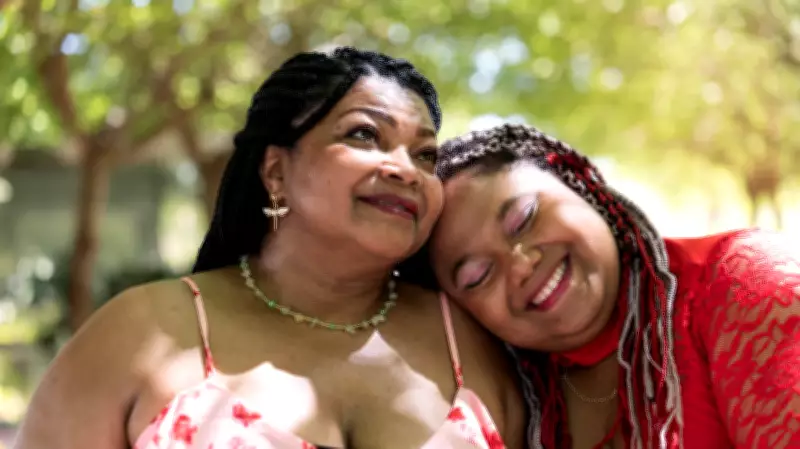
Strengthening the Parent-Adult Child Bond Through Healing Communication
As families evolve, the relationship between parents and their adult children undergoes significant transformation. This new phase of life requires intentional effort to foster a healthy dynamic, with clear communication, mutual respect, and empathy being foundational elements. Therapist Nedra Glover Tawwab, author of "Set Boundaries, Find Peace," highlighted this need in a recent Instagram post titled "Things Adult Children Want To Hear," which outlined simple yet impactful phrases for parents.
We consulted Glover Tawwab and other mental health professionals to explore the statements that resonate most with adult children and understand their profound emotional significance.
The Deep Need for Validation and Healing
"Adult children often yearn for validating phrases from their parents, such as acknowledging past pain or expressing understanding," explained Lara Morales Daitter, an associate marriage and family therapist at The Connective in Northern California. "These affirmations can hold significant healing power, especially when parents may have been preoccupied with their own challenges, leading to unmet emotional needs in childhood."

Below are six powerful phrases that therapists recommend parents incorporate to enhance their relationships with grown children.
1. ‘I’m sorry.’
For many adult children, these two words carry immense weight. Therapist and author Jor-El Caraballo noted that as Gen Xers, millennials, and some Gen Z individuals reflect on their upbringings, they increasingly recognize how parental choices impacted their mental health. "Being able to be validated, and apologized to, by their parents would be a huge win for adult children who are seeking to break some negative family cycles and move forward in their lives with better mental health," Caraballo said.
Arielle Dualan, another associate marriage and family therapist at The Connective, emphasized that apologies are crucial even for unintended pain. "Most adult children understand their parents aren’t perfect and have the best intentions when it comes to parenting," she stated. Adding a question like "How can we work through this?" can amplify the apology's impact, fostering emotional repair and modeling relational healing.
Cultural factors can complicate apologies, particularly in communities of color. Caraballo observed that parents from these backgrounds may face pressure to "save face," making apologies less common. Dualan, who specializes in working with children of immigrant parents, noted that differing generational priorities—such as focusing on safety versus emotional connection—can create gaps. "For my clients and myself, it might mean having to shift our expectations that our parents may not be the ones to initiate emotional connection," she said.
2. ‘I was in survival mode.’
This statement acknowledges parental challenges without excusing poor behavior. Glover Tawwab explained that it helps adult children contextualize their childhood experiences by recognizing the multifaceted pressures parents faced. "If I had more support, if I had more resources, if I had more finances—like really recognizing those things and being able to speak to them can be very healing for the adult child relationship," she said.
Los Angeles marriage and family therapist Gayane Aramyan echoed this, noting that parents often did their best with the tools available at the time. "Having tough conversations with your parents and having them acknowledge your experience as a child can be healing in repairing the relationship between adult child and parent," Aramyan added.
3. ‘I’m really proud of you.’
Regardless of age, children crave parental approval and pride. Caraballo highlighted that many parents raised their children to "be better" than themselves, which can create anxiety about achievements. "Hearing ‘I’m proud of what you’ve done and who you are’ can be a beacon of light for aging millennials who doubt their achievements and position in life," he said.

4. ‘Your life path is different than mine, but I support you.’
Parents may instinctively guide children toward familiar or conventional paths, but validating individual choices is empowering. Morales Daitter described this as an affirming statement that "recognizes the individuality of the adult child’s journey and affirms their autonomy in making life choices. It conveys parental acceptance and validation, fostering a sense of empowerment and emotional well-being."
5. ‘Do you want advice, or would you prefer for me to listen?’
This question respects the adult child's autonomy during challenges. Glover Tawwab pointed out that the transition from parenting a child to an adult involves shifting from protection to support. "The job is not always to protect, as it might have been when you were younger," she said. "It is now to listen and observe and ask you if you want some feedback."
Dualan added that overstepping with unsolicited advice "doesn’t give space for the adult child to assert themselves as their own person, nor does it allow the parent to learn who their adult child has become."
6. ‘I’m still here for you.’
Reassurance of ongoing support provides comfort in adulthood. Caraballo emphasized that parenting doesn’t end when children grow up; it evolves. "While aging parents should adjust their focus from spending the bulk of their time tending to their children to other personal pursuits, it doesn’t mean they can’t still be involved and respectful allies in their children’s lives," he said. Finding the right boundaries while maintaining care is a delicate but essential balance.