

The Burden of Repeated Medical Documentation for Public Servants with Chronic Conditions
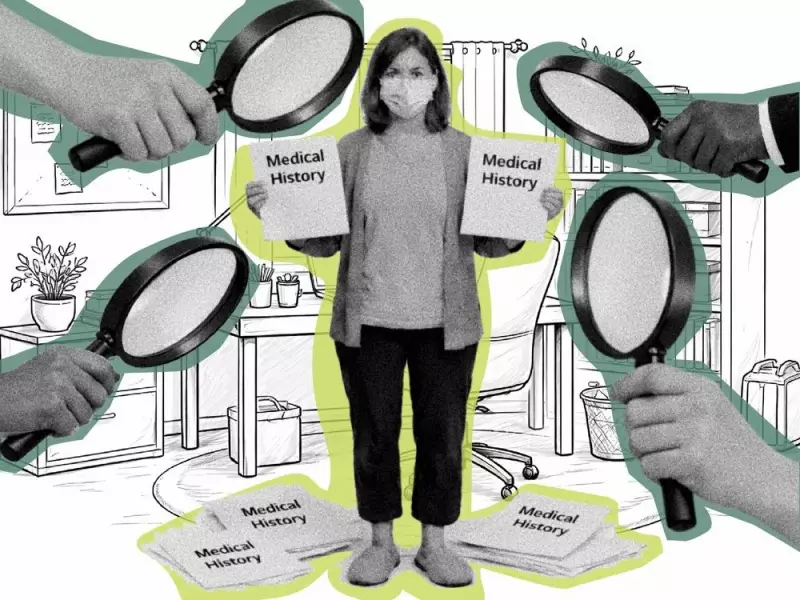
Public servants working for the federal government who have permanent medical conditions are facing what many describe as an unnecessary and stressful bureaucratic hurdle: being asked repeatedly to provide medical documentation to justify their accommodation needs. This practice persists despite clear evidence of chronic illnesses that don't change over time, creating what employees call a "nightmare" of paperwork and questioning.
A System That Questions Permanent Conditions
One public servant, who has been on full-time work-from-home accommodation since 2021 due to documented medical reasons, describes the current situation as particularly challenging. "I've been living a nightmare since the beginning of this year," they explain. "I've had to fill out all the medical paperwork again, be questioned, and have rules imposed on me that others don't have to follow."
This experience is far from unique. Many reports on public service interactions with persons with disabilities note the high costs and negative impacts of public servants with chronic or permanent conditions being asked repeatedly to prove and justify their accommodation requests and needs. Even with well-documented and supported cases, too many requestors report facing skepticism and attempts to dismiss, minimize, and deny accommodations.

The Psychological Toll of Constant Justification
The psychological impact of this repeated documentation requirement cannot be overstated. When employees must repeat the accommodation process every time they change jobs or on an annual basis, it consumes enormous energy and greatly affects the degree to which they feel valued and taken seriously by their employer. For individuals already managing chronic health conditions, this additional stress can exacerbate their medical situation.
"I find it cruel to subject a disabled person without an immune system to so much stress just to have them in an isolated place in an office that is not their home and expose them to so many unnecessary risks," the public servant noted in their correspondence.
Managerial Discretion Versus Professional Assessment
Managers do need to use their best judgment when responding to accommodation requests but also need to be very careful before substituting their own evaluations for the considered assessments of doctors, occupational therapists, psychologists, and other professionals. Too many employees submitting detailed medical and professional assessments report being told by their manager that they just didn't believe that there was a real issue justifying an accommodation.
Managers need to recognize that it might be the case that they cannot see or do not understand the underlying issue. That doesn't mean that they aren't real, which is why professional assessments must be given significant weighting in accommodation decisions.
The Legal Framework of Reasonable Accommodation
One reality that is sometimes forgotten, even when well-documented and supported requests for accommodation are properly adjudicated, is that the employer's obligation is to offer a "reasonable accommodation" that takes multiple factors into account. The employer is not obligated to accept an employee's preferred accommodation, but must work toward solutions that meet both operational needs and employee requirements.
At the same time, managers should beware of pursuing one-size-fits-all approaches to addressing accommodations which, by law, are inherently case-specific. A broad priority such as the return-to-office directive is an example of the type of dynamic that can drive a cookie-cutter approach where principled flexibility is the correct standard.
Potential Solutions and Resources
For public servants facing these challenges, several resources and strategies exist. The Government of Canada Workplace Accessibility Passport was created to serve as a single document for use as often as needed and by anyone you give it to. This tool represents a potential solution to the repeated documentation problem.

Working with union representatives remains an excellent step, and connecting with agency networks for public servants with disabilities can provide strength in numbers and valuable insights from others with similar experiences. These networks allow employees to borrow from the experience and knowledge of colleagues who have navigated similar accommodation processes.
Moving Toward a More Efficient System
In a system looking for efficiencies, reducing unnecessary documentation for permanent conditions should be an easy improvement to make. Employees with static medical conditions shouldn't constantly have to resubmit the same information year after year. Enlisting managerial support in finding ways to avoid this lost effort represents a practical step forward.
As one experienced public service leader notes, "Patience and persuasion may be your best available remaining options" in some situations, but the fundamental issue of repeated documentation for permanent conditions requires systemic attention and reform.





