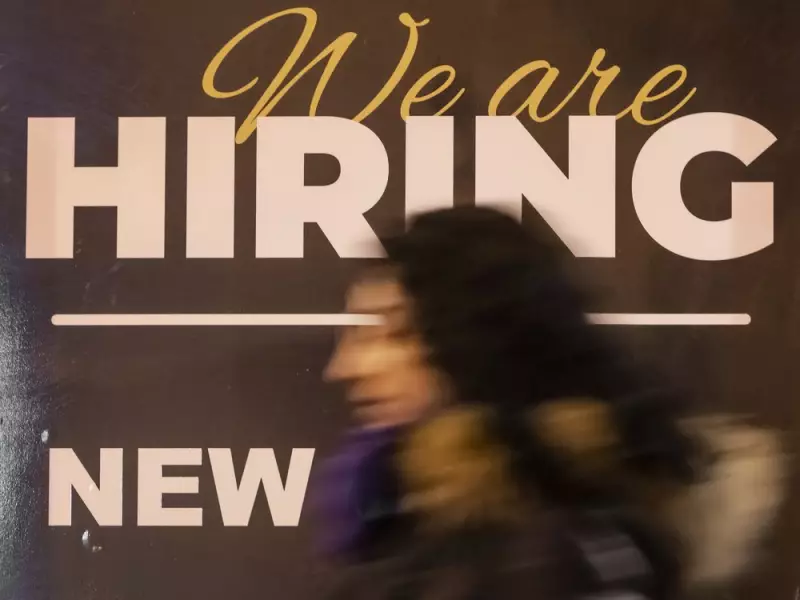
The landscape of work in Canada is undergoing a significant transformation in 2026, shaped by new legislation, technological pressures, and shifting workplace norms. Following a year of economic uncertainty, tariff impacts, and rapid AI adoption in 2025, experts predict further pivotal changes to hiring and employment rules this year.
Return-to-Office Mandates Gain Full Force
The push for employees to return to the office is the dominant theme for 2026, according to David King, senior managing director at Robert Half Canada Inc. He notes a growing acceptance of the benefits of in-person work, which can aid professional development, collaboration, and problem-solving. However, King cautions that flexibility remains a top priority for the workforce.
This shift is already materializing in the public sector. As of January 5, Ontario provincial government employees are expected back in the office five days a week. Alberta's public sector will follow with a full-time office requirement starting in February. While federal public servants currently have a mandate for a minimum of three in-office days per week, labour lawyer Matthew Badrov of Littler Mendelson P.C. in Toronto suggests requirements could increase later this year or in 2027.

Pay Transparency Becomes the Norm
A wave of new provincial legislation is making salary ranges a standard feature of job postings. This move toward pay transparency aims to demystify the hiring process for candidates, build employer trust, and promote equity within organizations. David King highlights that it creates market efficiency, ensuring applicants understand compensation before applying and companies attract suitable candidates.
In Ontario, a major rule took effect on January 1, 2026. Employers with 25 or more staff must now include the expected salary or pay range in publicly advertised job postings. The law also limits pay ranges to a maximum of $50,000, except for roles offering $200,000 or more, providing clearer expectations for job seekers.
British Columbia continues to build on its Pay Transparency Act, first implemented in 2023. The province now requires certain employers to submit annual pay transparency reports, which include data on gender pay gaps. Employers in B.C. with 50 to 299 employees must file their first report by November 1, 2026.
AI Disclosure and Other Emerging Trends
Beyond physical workplace locations and salary disclosure, the accelerated use of artificial intelligence is a key factor changing the game in 2026. Matthew Badrov identifies AI, alongside return-to-office trends and new job-posting laws, as one of the central themes reshaping employment. The growing expectation for businesses to disclose their use of AI in hiring processes is becoming a critical consideration for both employers and applicants.
Badrov predicts 2026 will be a telling year for hiring, as both companies and potential employees navigate and react to these combined shifts. The interplay between mandated office returns, transparent pay practices, and the ethical use of AI will define the Canadian labour market's evolution, requiring adaptability from all parties involved.