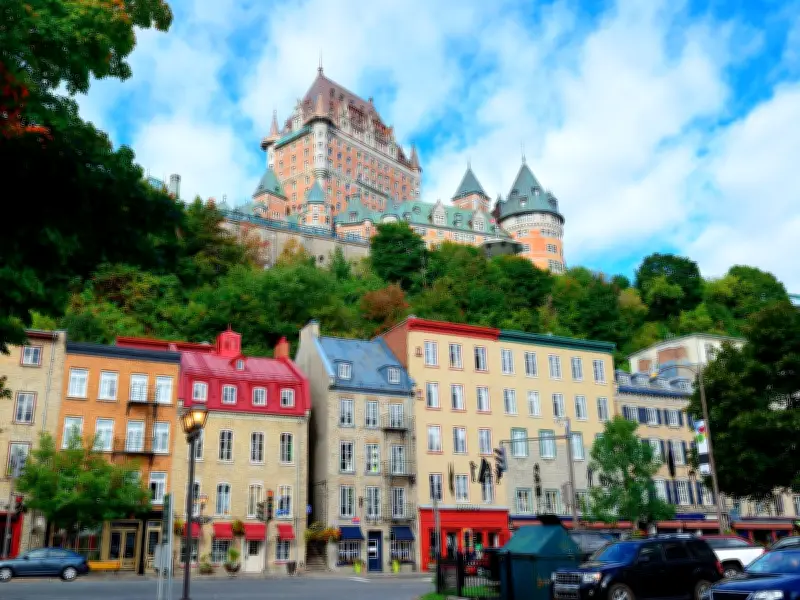
Quebec City stands alone among Canada's 62 largest cities as the only one where housing affordability has deteriorated over the past two years, according to a recent survey from Royal LePage. The average household income needed to service an average mortgage in the provincial capital has climbed 1.6% since 2024, bucking a national trend of improving affordability.
Quebec City's Unique Affordability Decline
The city has also recorded the highest year-over-year aggregate home price increase over the past eight consecutive quarters, Royal LePage reported. Quebec City had previously ranked among the top 15 most affordable cities in 2024 but fell to 18th place this year, with an affordability factor of 32.4%.
Phil Soper, chief executive of Royal LePage, attributed the shift to changing demand patterns. “Over the past two years, home prices in Canada’s major urban centres — particularly Toronto, Vancouver and their surrounding communities — have softened, as demand in these higher-cost regions has been tempered by geopolitical and economic uncertainty, reduced immigration levels and an unprecedented increase in supply,” Soper said. “At the same time, cities where home prices are lower have seen more robust demand as buyers seek an entry point into the market, pushing prices up as a result.”

National Affordability Trends
Overall affordability is influenced by factors such as cost of living and local economy, which vary widely between cities. Lethbridge, Alberta, emerged as Canada's most affordable city, requiring only 18.9% of the average household's monthly income to service a mortgage. Saint John, New Brunswick, followed at 19.6%, with Thunder Bay, Ontario, at 20.3%, Red Deer, Alberta, at 24.9%, and Regina, Saskatchewan, at 25% rounding out the top five. Edmonton at 26.3% and Winnipeg at 27.9% also made the top 10.
Buyers Eyeing Secondary Cities
The survey indicates that secondary cities are attracting significant buyer interest. More than half of respondents to Royal LePage's survey said they would move to one of the 15 most affordable cities if they could find a job or work remotely. “Home prices in Canada’s largest cities have moderated over the past couple of years, but for many buyers, the math still doesn’t work,” Soper said. “As barriers to entry remain high in the country’s most expensive urban centres, relocating to a more affordable city is becoming less of a last resort and more of a deliberate strategy. Aspiring homeowners who cannot secure a foothold in these markets are seriously weighing their options.”
The report underscores a broader shift in Canada's housing market, with affordability improving in most regions even as Quebec City experiences rising costs and home prices.