

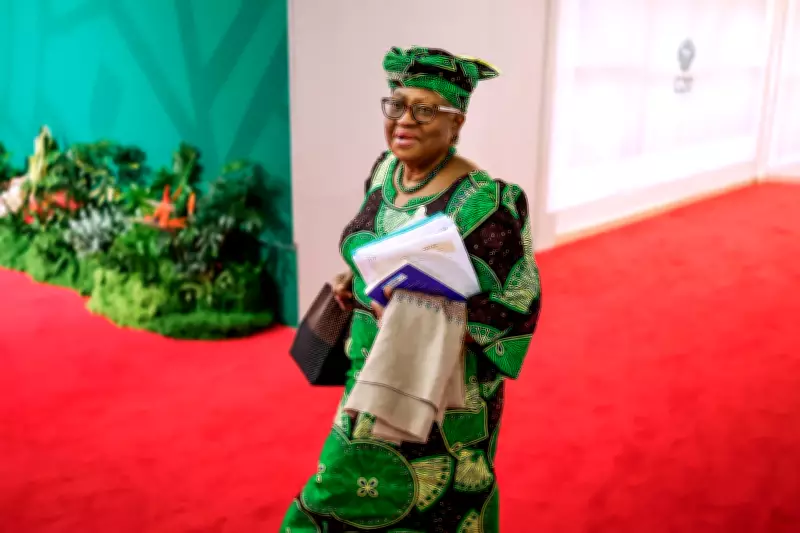
In a significant declaration, the head of the World Trade Organization has asserted that the world order governing international commerce has been fundamentally and irrevocably transformed. Director-General Ngozi Okonjo-Iweala delivered this assessment, pointing to a new era of global trade dynamics that demands adaptation from nations and businesses alike.
A New Landscape for International Commerce
The WTO chief's statement comes amid ongoing geopolitical realignments, technological advancements, and evolving supply chain strategies that have reshaped how countries engage in trade. Okonjo-Iweala emphasized that the traditional frameworks that once dominated global commerce are no longer sufficient to address contemporary challenges.
Challenges and Opportunities in the Transformed System
This transformed trade environment presents both significant hurdles and potential avenues for growth. Nations must now navigate increased protectionism in some regions alongside new digital trade opportunities, creating a complex landscape for policymakers. The shift requires updated multilateral agreements and enhanced cooperation between trading partners to ensure stability and fairness.

According to Okonjo-Iweala, the changes are not temporary adjustments but represent a permanent restructuring of international economic relationships. This evolution impacts everything from tariff negotiations to intellectual property protections, requiring comprehensive reassessment of existing trade policies.
Implications for Global Economic Stability
The WTO director-general's remarks highlight several critical areas of concern:
- The need for reformed dispute resolution mechanisms
- Enhanced transparency in trade practices
- Greater inclusion of developing nations in decision-making processes
- Adaptation to climate-related trade policies
As the world adjusts to this new reality, the role of international organizations like the WTO becomes increasingly vital in mediating conflicts and establishing common standards. The irrevocable change in world trade order signals a pivotal moment for global economic governance, with lasting consequences for prosperity and international relations.






