Ottawa Receives Dire Warning About Windsor-Essex Manufacturing Exodus
An emergency parliamentary meeting in Ottawa on Monday heard alarming predictions that industrial parts manufacturers in the Windsor region could face widespread closures or be compelled to relocate operations to the United States due to punishing new American tariff adjustments. This development threatens a crucial segment of the local economy that has long served as an industrial cornerstone.
"Really Scary" Potential for Manufacturing Loss
Nicole Vlanich, executive director of the Canadian Association of Mold Makers (CAMM), delivered stark testimony to the House of Commons industry committee. "The risk that we see, and the scary part about it — especially for Windsor-Essex — is the possibility of losing our manufacturers to the U.S.," Vlanich emphasized. "That's a really scary part when you think of how important manufacturing is, not only for Canada, but for Windsor-Essex."
Vlanich, who typically maintains optimism about the industry's resilience, expressed unprecedented concern based on direct feedback from manufacturers. "Just hearing from them, there's going to be a lot of shops closing. We will see a lot of shops moving, and then we will see the trickle effect of what that means for Windsor-Essex if we don't come to some type of resolution."

Tariff Calculation Change Creates Immediate Crisis
The crisis stems from a seemingly technical adjustment to how U.S. Section 232 tariffs are calculated on imported "derivative" goods containing steel, aluminum, and copper. Effective April 6, 2026, the United States now applies a 25 percent tariff to the full value of such manufactured imports, rather than the previous approach that imposed a higher 50 percent tariff solely on the metal content within products.
While the nominal tariff rate appears lower, extending it to the complete product value has dramatically increased overall export costs for Canadian manufacturers. This change particularly impacts Windsor-Essex, which hosts North America's largest concentration of mold makers and metal fabricators.
Real-World Impact on Local Businesses
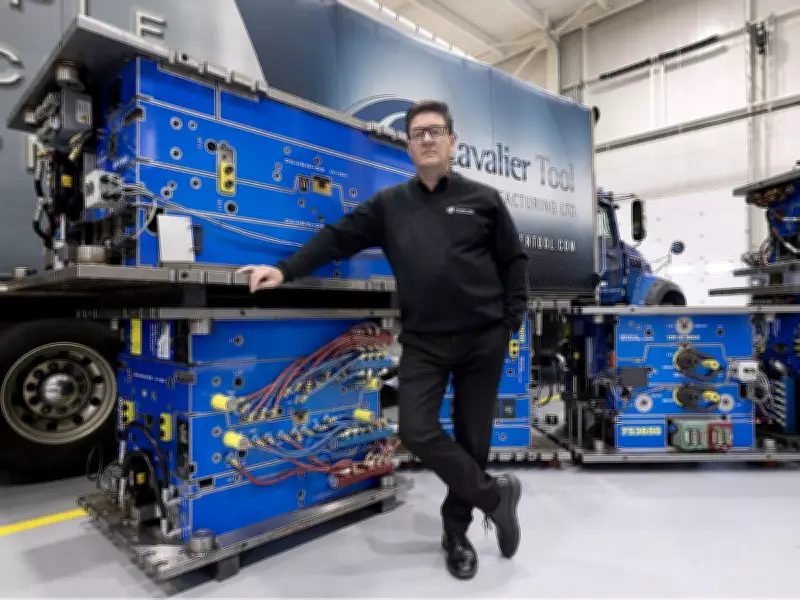
The consequences materialized immediately at Cavalier Tool and Manufacturing Ltd. in Windsor, where finished tools destined for American customers now accumulate on the shop floor rather than being shipped. Under specific tariff codes for injection molds, Cavalier now faces tariffs between 10 and 15 percent on product total value, depending on whether at least 95 percent of steel originates from U.S. sources.
"We've paused shipping until we can figure out what the problem is and how we can adapt to it the best," explained Chris Vander Park, Cavalier Tool's international business manager. The company is currently determining how to absorb these unexpected cost increases that weren't accounted for in original product quotations.
Business leaders and local companies urgently appealed to the federal government for immediate relief during the parliamentary session. They stressed the disproportionate impact on Windsor-Essex's industrial sector and warned of potentially devastating ripple effects throughout the regional economy if no resolution emerges.
The tariff adjustment, which largely flew under the radar earlier this month, represents what industry representatives describe as an existential threat to Canadian manufacturing competitiveness. With manufacturers already exploring relocation options across the border to avoid these punitive costs, Ottawa faces mounting pressure to develop an effective response before irreversible decisions are made.