

Escalating geopolitical friction between the United States and Venezuela is casting a long shadow, with potential consequences reaching far beyond their bilateral dispute and directly impacting Canadian interests. The core of the conflict revolves around access to crucial oil resources and the contentious seizure of oil tankers, events that could reshape global energy flows and diplomatic alignments.
The Source of the Escalating Conflict
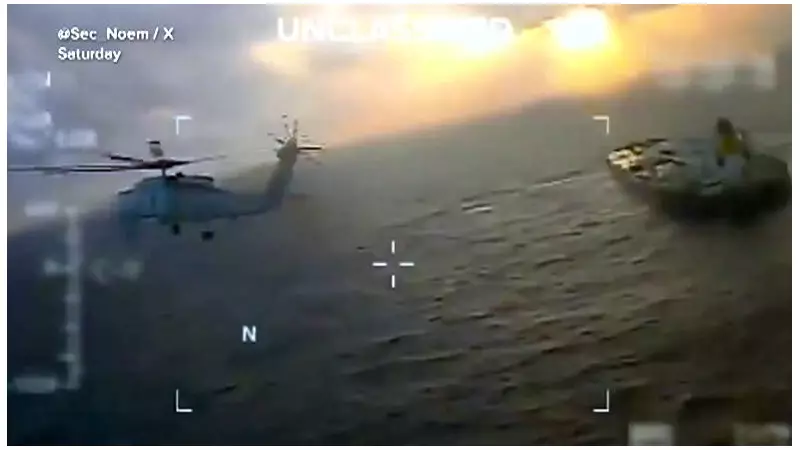
The situation, as reported by journalist Jeremie Charron, intensified in late December 2025. The primary flashpoints are disputes over oil resource access and the seizure of oil tankers by one of the parties involved. While the original report does not specify which nation initiated the tanker seizures, such actions are typically a dramatic escalation in maritime disputes, often employed to enforce economic blockades or sanctions.
This confrontation occurs against a backdrop of long-standing political and economic strain between Washington and Caracas. Venezuela sits on the world's largest proven oil reserves, making control and export of this resource a perpetual source of international contention, especially following years of U.S. sanctions aimed at pressuring the government of Nicolás Maduro.

Potential Ripple Effects for Canadian Interests
For Canada, a close U.S. ally and a major energy producer itself, this tension is not a distant concern. The implications are multifaceted, touching on energy security, trade, and foreign policy.
First, any significant disruption to Venezuelan oil exports can cause volatility in global oil markets. While Canada does not rely on Venezuelan crude, price spikes or supply anxieties affect the entire sector. Canadian energy companies could face both risks and opportunities: risk from market instability, but potential opportunity if global buyers seek more stable, albeit heavier, crude from Canada's oil sands as an alternative.
Second, Canada may face increased diplomatic pressure to align its foreign policy squarely with the United States regarding Venezuela. Ottawa has historically followed Washington's lead on sanctions, but must balance this with its broader relationships in Latin America and its stated commitment to a rules-based international order, especially concerning maritime law and freedom of navigation.
Broader Geopolitical and Economic Considerations
The seizure of tankers is a particularly grave development, threatening the security of international shipping lanes. Canada, with its extensive coastlines and reliance on maritime trade, has a vested interest in the peaceful resolution of such disputes. A prolonged crisis could force Canada and its allies to consider increased naval patrols or other measures to ensure safe passage, diverting diplomatic and military resources.
Furthermore, the situation tests the cohesion of Western hemispheric policy. As a key player in the Organization of American States (OAS), Canada's stance will be scrutinized. The federal government in Ottawa will need to navigate a complex path, supporting its closest ally while assessing the humanitarian and regional stability impacts of a further-isolated Venezuela.
In conclusion, the tensions reported on December 23, 2025, are more than a bilateral spat. They represent a potential inflection point with direct and indirect consequences for Canada. From energy market reactions to delicate diplomatic calculations, Canadian policymakers and business leaders are undoubtedly watching the situation closely, aware that geopolitical storms in the Caribbean can send waves all the way to Ottawa and Calgary.






