U.S. Trade Czar Warns Canada Over Alcohol Boycott, Threatens Enforcement Action
United States Trade Representative Jamieson Greer has issued a stern warning to Canada, indicating that the U.S. may need to take enforcement action in response to Canadian provinces' ongoing boycott of American wine and spirits. This development highlights escalating trade tensions between the two nations, with significant implications for alcohol producers on both sides of the border.
Background of the Boycott
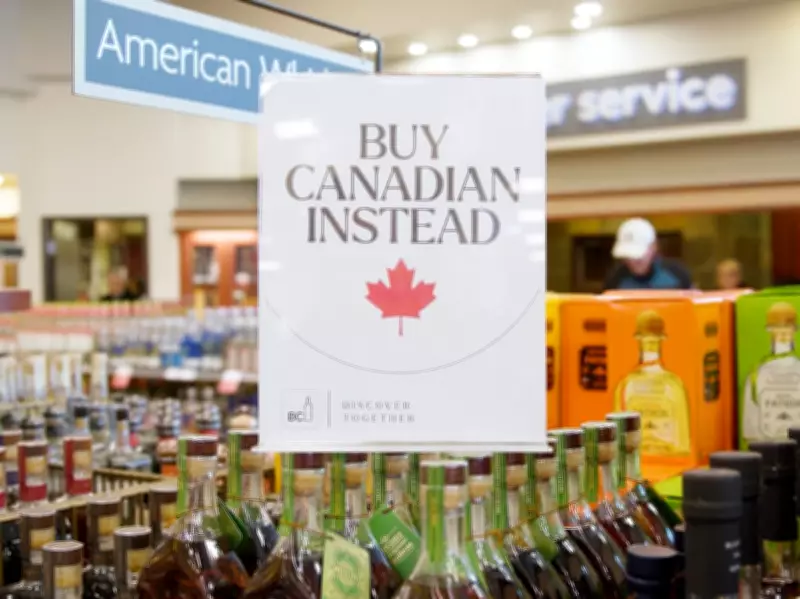
Several Canadian provinces, including Ontario and Quebec—which together represent approximately 60 percent of Canada's population—initiated a boycott of U.S.-made alcohol last year. This move came in retaliation against former President Donald Trump's trade war policies, which imposed tariffs that adversely affected Canadian industries. The boycott has resulted in millions of dollars in lost sales for American bourbon and other spirit manufacturers, creating economic strain for these businesses.
Bipartisan Concern in U.S. Congress
The issue gained prominence during a recent U.S. Congressional hearing, where lawmakers from states such as New York and California expressed bipartisan concern. Greer emphasized the gravity of the situation, stating, "There are two countries that have retaliated economically against the United States in the past year: the People's Republic of China and Canada." He further noted, "My sense is there may have to be an enforcement action to deal with this issue on wine and spirits in Canada." While Greer did not specify what form such enforcement might take, his comments underscore the potential for escalated trade measures.

Provincial Control and Federal Limitations
In Canada, liquor stores are regulated by provincial governments, meaning the federal government lacks the authority to compel provinces to end the boycott. Ontario Premier Doug Ford, a vocal advocate for retaliating against U.S. tariffs, has stated his willingness to reconsider the alcohol sales policy—but only if the U.S. first withdraws tariffs that are harming Ontario's economy, particularly the auto sector. "I'd do it in a heartbeat folks, but when he's destroying our auto sector, putting in jeopardy tens of thousands of jobs," Ford remarked during an event hosted by the Globe and Mail newspaper.
Path Forward and Resolution Hopes
Ford indicated that resolving issues related to the Canada-U.S.-Mexico Agreement (CUSMA) is a priority before any changes to the alcohol boycott can occur. He expressed optimism about eventually reaching a deal, after which he suggested a potential relaxation of the boycott. "Once we get the deal done—which I'm confident, eventually, we'll get it done—then we'll bring back maybe California red wine, you can sit down and have a glass of wine. I'll have my chocolate milk," Ford quipped, highlighting the personal and economic stakes involved.
Implications for Trade Relations
This standoff reflects broader challenges in Canada-U.S. trade relations, with alcohol serving as a symbolic and economic flashpoint. The threat of enforcement action by the U.S. could lead to further retaliatory measures, potentially affecting other sectors and deepening the trade dispute. Stakeholders on both sides are closely monitoring developments, as the outcome may set precedents for how trade conflicts are managed under current agreements.
As discussions continue, the focus remains on finding a mutually acceptable resolution that addresses the concerns of American alcohol producers while respecting provincial autonomy in Canada. The situation underscores the complex interplay between local policies and international trade dynamics, with significant consequences for businesses and consumers alike.