U.S. Government Initiates Tariff Refund System Amid Trade War
The United States has officially launched a new tariff refund system, designed to address the financial impacts of recent trade policies on domestic businesses. This development comes as thousands of American companies have filed claims seeking relief from tariffs imposed during the ongoing trade war.
Background and Implementation
The refund system was introduced in response to mounting pressure from the business community, which has faced increased costs due to tariffs on imported goods. These tariffs, part of broader trade strategies, have led to significant economic strain for many firms, prompting calls for government intervention.
According to reports, the system allows eligible companies to apply for refunds on tariffs paid, with the process overseen by federal agencies. This initiative aims to support businesses by mitigating some of the financial burdens associated with trade disputes.

Impact on Companies and Economy
Thousands of U.S. companies have already submitted claims under the new system, highlighting the widespread effects of the trade war. Industries ranging from manufacturing to retail have been particularly affected, with many reporting reduced profitability and operational challenges.
Economists note that while the refund system may provide short-term relief, it does not address the underlying issues of trade tensions. The ongoing disputes have contributed to market volatility and uncertainty, impacting global economic stability.
Political and Policy Context
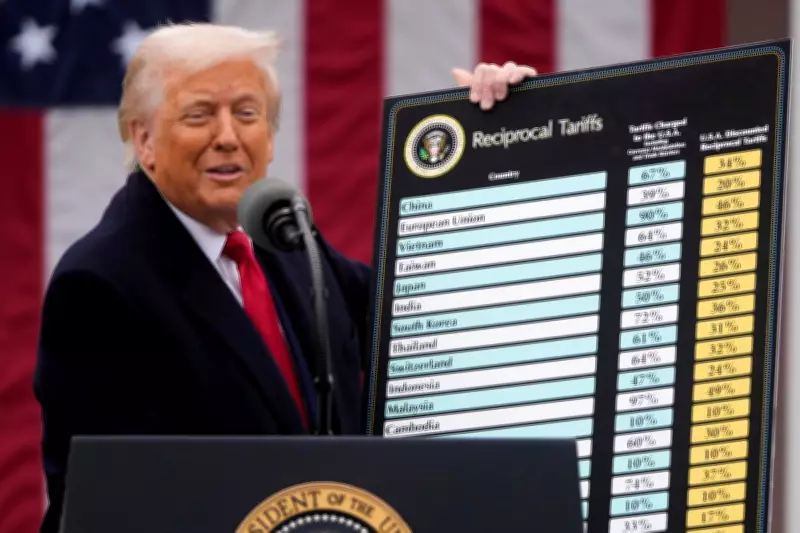
The launch of the tariff refund system reflects broader political efforts to balance trade policies with economic support for businesses. It follows previous announcements, such as those made by former President Donald Trump, who emphasized tariffs as a tool for negotiating trade deals.
As the system rolls out, policymakers are monitoring its effectiveness in alleviating corporate financial stress. Future adjustments may be necessary based on feedback from companies and economic indicators.
Looking Ahead
The success of the tariff refund system will depend on its efficiency and accessibility for businesses. Experts suggest that transparent guidelines and timely processing will be crucial to its impact.
In the meantime, companies continue to navigate the complexities of the trade war, with many adapting their strategies to cope with ongoing challenges. The refund system represents a key step in government efforts to support the economy during this period of international trade friction.