

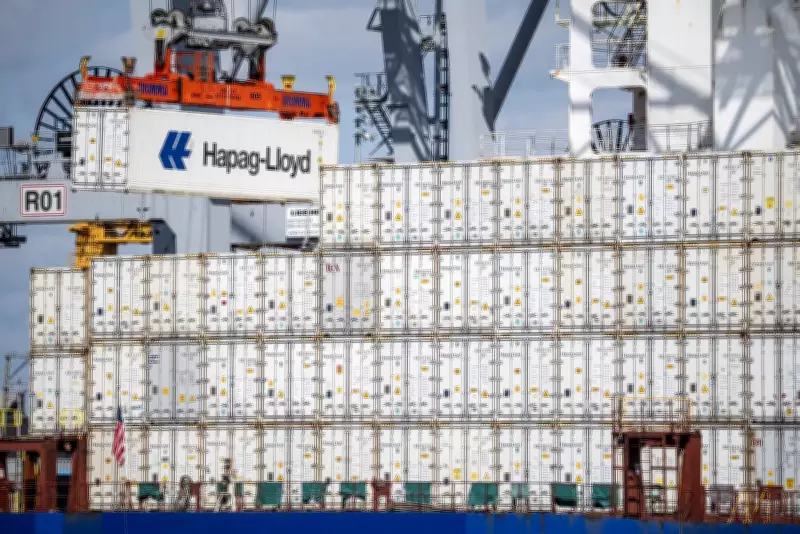
In a major development for international trade, the United States government is set to stop collecting a series of tariffs on Tuesday, February 24, 2026. This action comes directly after the U.S. Supreme Court ruled the tariffs illegal, delivering a decisive blow to the contentious trade measures that have fueled economic tensions.
Supreme Court Decision Forces Immediate Change
The Supreme Court's ruling, announced recently, determined that the tariffs in question violated established legal frameworks. This judicial intervention has compelled the Biden administration to halt their collection, effectively ending a policy that has been a cornerstone of recent trade disputes. The decision underscores the judiciary's role in checking executive trade actions and sets a precedent for future tariff implementations.
Reactions from Canada and Political Figures
The news has been met with approval from Canadian officials, including Premier David Eby of British Columbia, who welcomed the move as a positive step toward stabilizing North American trade relations. Ottawa has long criticized the tariffs as detrimental to cross-border commerce, and this development is seen as a victory for diplomatic efforts aimed at reducing trade barriers.

Meanwhile, in the U.S., political reactions have been mixed. Some lawmakers have pledged to push back against what they describe as "chaotic" tariff policies in Congress, highlighting ongoing debates over trade strategy. Former President Donald Trump has renewed his attacks on the Supreme Court over the decision, vowing to pursue alternative tariffs and licensing agreements, indicating that the issue remains politically charged.
Broader Implications for Global Trade
This halt in tariff collection is expected to have ripple effects across global markets. Analysts suggest it could ease inflationary pressures and improve supply chain stability, particularly for industries reliant on imported goods. The move also signals a potential shift toward more rule-based trade practices, aligning with international norms.
However, uncertainties persist. The U.S. government is currently experiencing a partial shutdown, which has already led to suspensions like the NEXUS program at Canadian airports, adding complexity to border operations. This context may affect the implementation of the tariff cessation and related trade adjustments.
Looking Ahead: Economic and Legal Ramifications
As the tariffs are lifted, businesses on both sides of the border are advised to monitor updates closely. Legal experts note that the Supreme Court's ruling could inspire similar challenges against other trade measures, potentially reshaping U.S. trade law. Economists predict that this development might foster increased cooperation between the U.S. and its trading partners, though it could also lead to new policy battles in the coming months.
In summary, the cessation of these tariffs marks a pivotal moment in the ongoing trade war, driven by judicial oversight. While it offers relief to many affected sectors, the political and economic fallout will likely continue to unfold, influencing trade dynamics well into the future.






