

A group representing major American spirits producers has lodged a formal complaint, accusing the Liquor Control Board of Ontario (LCBO) and other provincial liquor authorities of implementing policies that unfairly disadvantage imported alcohol in favour of locally produced beverages. The complaint, filed in late 2025, brings long-simmering trade tensions to a head and could have significant implications for cross-border alcohol sales.
The Core of the Complaint
The coalition of U.S. distillers argues that provincial monopolies, including the LCBO, employ a range of practices that create an unlevel playing field. These alleged practices include preferential shelf placement and promotional opportunities for Canadian products, as well as pricing and markup structures that make imported spirits less competitive. The complaint suggests these actions may contravene both national trade agreements and international trade principles.
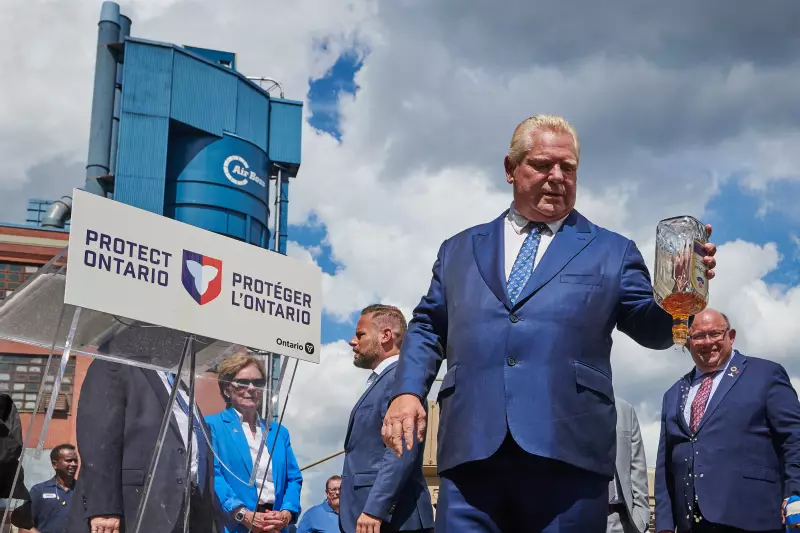
This dispute emerges against a backdrop of heightened sensitivity in Ontario's alcohol sector. Notably, in September 2025, Premier Doug Ford publicly criticized spirits giant Diageo for its plan to close a bottling plant in the province, dramatically emptying a bottle of Crown Royal whisky at a press conference in Kitchener to emphasize his point. While that incident involved a multinational corporation, the new complaint focuses squarely on the regulatory environment governing market access.

Broader Implications for Interprovincial and International Trade
The issue extends beyond Ontario's borders. The U.S. group's complaint explicitly mentions "other provinces," indicating that the alleged favouritism is seen as a wider, systemic issue across Canada's provincially controlled liquor retail systems. Each province maintains its own regulatory and retail framework, often with a stated mandate to support local breweries, wineries, and distilleries.
This provincial support is popular domestically but frequently draws criticism from international trading partners who view it as a protective barrier. The complaint from U.S. distillers frames the debate as one of fair market access versus provincial economic development, a complex conflict between local industry support and international trade obligations.
Potential Outcomes and Next Steps
The filing of this complaint is likely just the first step in a protracted process. It could lead to formal trade challenges under the Canada-United States-Mexico Agreement (CUSMA) if the distillers' concerns are not addressed. Such a move would elevate the dispute to a federal level, forcing the Canadian government to defend provincial policies on an international stage.
For consumers, the outcome could influence the variety, pricing, and availability of American spirits on liquor store shelves across Canada. For provincial governments and liquor boards, the complaint presents a dilemma: how to balance the popular and economic goal of supporting homegrown producers with the legal requirements of trade agreements. The resolution of this dispute will be closely watched by the entire North American beverage alcohol industry.






