

U.S.-Cuba Trade Plummets as Trump Administration Intensifies Pressure on Communist Leadership
Trade relations between the United States and Cuba have experienced a severe collapse, with economic exchanges plummeting as the Trump administration escalates its pressure campaign against the island nation's Communist Party leadership. This development marks a significant reversal from earlier efforts at normalization and is deepening the economic challenges faced by Cuba, which is already grappling with issues such as blackouts and resource shortages.
Escalating Economic and Political Pressure
The Trump administration has implemented a series of stringent measures aimed at tightening the economic noose around Cuba, targeting the Communist Party's control and influence. These actions include expanded sanctions, restrictions on financial transactions, and heightened diplomatic rhetoric, all designed to compel political changes on the island. The strategy represents a stark departure from the previous administration's approach, which sought to foster engagement and gradual reform through increased trade and travel.
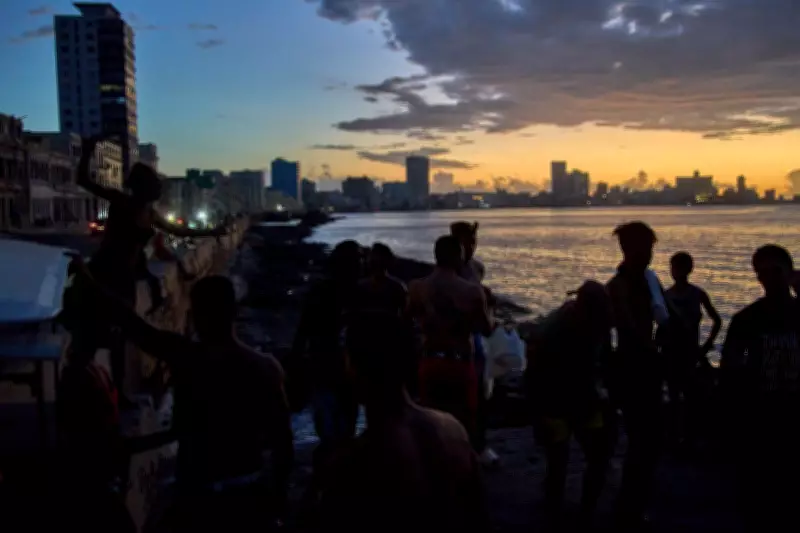
The impact of these policies is being felt acutely in Cuba, where the economy is heavily dependent on foreign trade and tourism. The reduction in U.S. trade has exacerbated existing problems, such as the frequent blackouts witnessed in cities like Havana, where residents recently gathered on the Malecón to watch the sunset during a power outage. This scene underscores the daily realities of a population struggling with infrastructure failures and limited access to essential goods.

Broader Implications for Cuba and International Relations
The collapse in trade is not occurring in isolation; it is part of a broader geopolitical context where the U.S. is reassessing its relationships with adversarial regimes. By focusing pressure on Cuba's Communist leadership, the Trump administration aims to undermine the party's stability and push for concessions on human rights and democratic reforms. However, critics argue that this hardline stance may instead strengthen the government's resolve and further isolate the Cuban people, worsening their economic plight without achieving the desired political outcomes.
Observers note that the situation in Cuba reflects a wider trend of U.S. foreign policy under Trump, characterized by a preference for maximum pressure tactics over diplomatic engagement. This approach has led to increased tensions not only with Cuba but also with other nations, as seen in concurrent issues like the Pentagon's request for additional funds for conflicts in the Middle East. The ripple effects of such policies are being monitored closely by international allies and adversaries alike, who are adjusting their own strategies in response.
Looking Ahead: Uncertain Future for U.S.-Cuba Relations
As trade continues to decline, the future of U.S.-Cuba relations remains highly uncertain. The Trump administration shows no signs of relenting, with officials emphasizing a commitment to holding the Communist Party accountable for its actions. Meanwhile, Cuba faces the daunting task of navigating these economic headwinds while maintaining social stability and addressing domestic needs, from healthcare to energy security.
The ongoing trade collapse serves as a stark reminder of the volatile nature of international diplomacy and the profound impact that political decisions can have on everyday lives. Whether this pressure will lead to meaningful change in Cuba or simply deepen the crisis is a question that will unfold in the coming months, with significant implications for both nations and the broader region.






