

Poll Reveals Historic Low in U.S.-Canada Relations Amid Trade Tensions
In a striking shift, recent polling data indicates that American perceptions of Canada have deteriorated to their lowest point in decades, coinciding with heightened trade conflicts and political rhetoric. According to a Gallup poll released this month, only 80% of Americans now view Canada favorably, a significant drop from 91% in previous years and the lowest level recorded since the 1980s. This decline marks a new dynamic in cross-border relations, as Canadians' affection for the United States has also plummeted to unprecedented lows during Donald Trump's second presidential term.
Partisan Divides Deepen as Trade War Escalates
The Gallup poll reveals a stark partisan split in American attitudes toward Canada. While Democrats maintain a steady 95% positive view, Republicans' favorability has plunged from 85% to just 62% over the past year. Independents have also shown a decline, with positive views dropping nine points to 80%. This polarization is closely tied to Trump's trade policies and his characterization of Canada as a "51st state," which experts suggest has influenced public opinion without reflecting deep-seated animosity.
Shachi Kurl, president of the Angus Reid Institute polling firm, noted, "During the first Trump administration, Canadians' views of the United States definitely plunged. But this, today, is a whole new dynamic." An Angus Reid survey from last month supports this, finding that only one in five Canadians now view the U.S. positively, with 74% holding unfavorable or very unfavorable opinions. Nearly 40% of Canadians see the U.S. as an enemy or threat, a sentiment never before recorded in such surveys.

Trade Negotiations Complicated by Public Sentiment
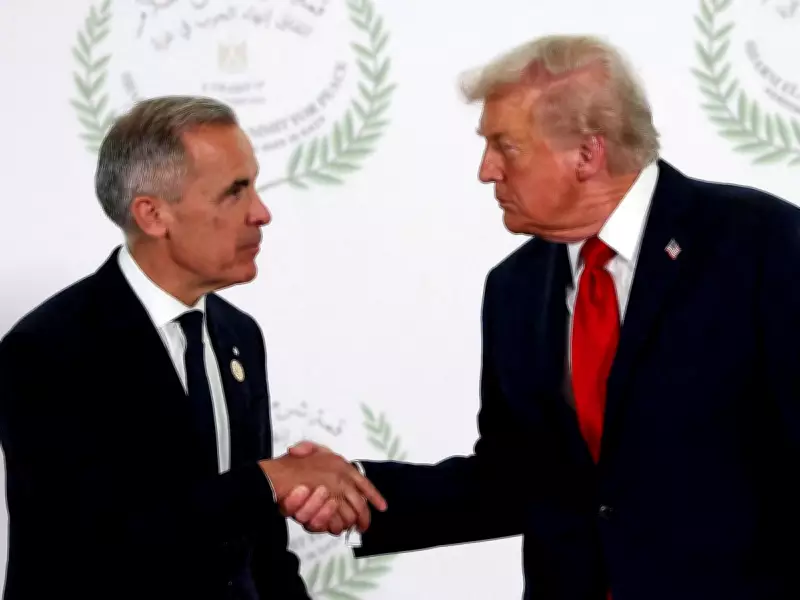
The erosion of mutual goodwill poses significant challenges for trade negotiations. Prime Minister Mark Carney faces constraints in making concessions to the U.S., as a foreign affairs observer in Washington explains that Canadians are unlikely to accept major compromises without an apology from America. This sentiment is echoed in polling data: while 51% of Americans overall oppose tariffs on Canadian products, only 21% of Trump supporters share this view, highlighting the impact of political leadership on economic attitudes.
Erik Voeten, a professor of geopolitics at Georgetown University, commented, "I don't think many Americans really have very negative views about Canada or Canadians. I really think this is just a follow-the-leader kind of thing." He added that Trump's rhetoric shapes these views but does not necessarily indicate profound anti-Canadian feelings among the public.
Psychological and Social Factors at Play
Daniel Béland, a Canadian political sociologist and director of McGill's Institute for the Study of Canada, compared the situation to sports team allegiances in a hyper-partisan context. "You identify with your team, especially in a hyper-partisan context," he said, noting that less-educated voters are more likely to adopt cues from political leaders. "People rally around the flag when they feel that they are under threat... it's just basic social psychology. It tends to reinforce inner-group solidarity."
This psychological dynamic, combined with Trump's trade war tactics, has slowed Canadian travel to the U.S., boosting tourism for alternatives like Japan and Mexico. As trade watchers in Washington express shock over Trump's latest tariff strategies, the need for diplomatic resolution grows more urgent.
Looking Ahead: Implications for Bilateral Relations
The historic lows in cross-border favorability underscore the fragility of U.S.-Canada relations in an era of political polarization. With Canadians demanding an apology before considering concessions and Americans' views increasingly divided along party lines, the path to resolving trade disputes appears fraught. Experts warn that without a shift in rhetoric and policy, these tensions could further strain economic and cultural ties between the two nations.

As the trade war continues, monitoring public opinion will be crucial for policymakers. The current data suggests that rebuilding mutual trust will require not only economic negotiations but also efforts to bridge the partisan gaps that have fueled this decline in bilateral goodwill.





