

In a significant regulatory move impacting the commercial and consumer drone market, the United States government has instituted a ban on new foreign drone models. The action, announced on December 23, 2025, represents a direct challenge to the dominance of Chinese manufacturer DJI, the world's leading drone company.
The Details of the Ban
The ban, which specifically targets newly introduced foreign drone models, was officially published in the afternoon of December 23, 2025, at 2:52 PM Eastern Standard Time. While the full scope of the regulatory text is being analyzed, the core directive prohibits the import and sale of new drone models manufactured outside the United States. This decision follows years of escalating national security and data privacy concerns from U.S. officials regarding drones, particularly those made in China.
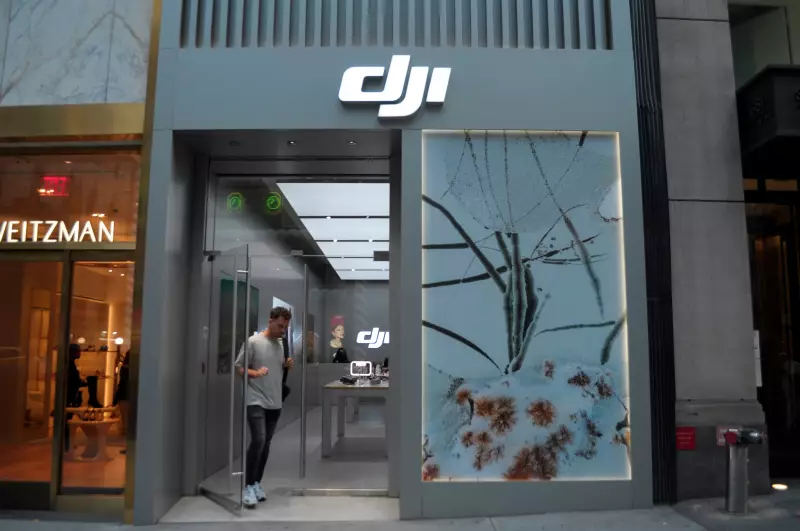
DJI, headquartered in Shenzhen, China, holds an estimated 70-80% of the global commercial and consumer drone market. The company has a substantial retail presence in the U.S., including a store in Manhattan, New York City, as seen in a photograph from November 6, 2024. This new rule threatens to freeze a major pipeline of innovation and product updates from the industry giant for the American market.

Context and Escalating Tensions
This ban is not an isolated incident but the latest development in a prolonged period of scrutiny. U.S. agencies, including the Department of Defense and the Department of the Interior, have previously issued restrictions or outright bans on the use of Chinese-made drones for official government work. The concerns consistently cited revolve around the potential for sensitive data—such as aerial imagery of critical infrastructure—to be accessed by foreign entities.
DJI has repeatedly denied these allegations, stating that it gives users full control over their data. The company has also invested in "local data mode" features that prevent drones from transmitting data over the internet during flights. Despite these measures, geopolitical tensions and a broader push for technological decoupling have placed Chinese tech firms under increasing pressure in Western markets.
Potential Market Consequences and Reactions
The immediate consequence of this ban is a potential stagnation in the available drone technology for American consumers and businesses. With DJI's new models blocked, the market may rely on existing inventory or turn to smaller, often more expensive, U.S.-based or allied-nation alternatives. This could slow adoption in sectors like agriculture, real estate, filmmaking, and emergency services, where DJI's technology is deeply integrated.
Industry analysts suggest the move could accelerate efforts by American and other non-Chinese companies to develop competitive drone platforms. However, catching up to DJI's technological lead, supply chain, and economies of scale presents a formidable challenge. The ban also raises questions about the future of existing DJI drones already in use across the country and whether further restrictions on software updates or support could follow.
For Canada, a close ally and trading partner of the United States, this development is highly relevant. Canadian businesses that operate cross-border or rely on the latest drone tech may face complications. Furthermore, it places additional spotlight on Canada's own policies regarding foreign technology and telecommunications equipment, a debate that has been ongoing concerning other Chinese tech firms.
As the situation develops, stakeholders from hobbyists to large industrial users will be watching for clarifications on the ban's implementation and any potential legal challenges from affected companies like DJI. The December 23rd ruling marks a pivotal moment in the global competition for control over critical and emerging technologies.






