The United States is launching a new diplomatic push to secure the vital materials needed for artificial intelligence, directly challenging China's dominance in the sector. The State Department's top economic official announced plans to pursue agreements with eight key allied nations to strengthen supply chains for computer chips and critical minerals.
White House Summit to Forge New Alliances
According to Jacob Helberg, the U.S. Undersecretary of State for Economic Affairs, the initiative will begin with a high-level meeting at the White House on December 12. The gathering will include counterparts from Japan, South Korea, Singapore, the Netherlands, the United Kingdom, Israel, the United Arab Emirates, and Australia.
Helberg, a former advisor at Palantir Technologies Inc., stated the summit will focus on reaching agreements across several strategic areas. These include energy, critical minerals, advanced manufacturing semiconductors, AI infrastructure, and transportation logistics.

"It’s clear that right now in AI, it’s a two-horse race — it’s the U.S. and China," Helberg said in an interview. "We want to have a positive, stable relationship with China, but we’re also ready to compete, and we want to make sure that our companies can continue building transformative technologies without being subject to coercive dependencies."
Building on Past Efforts to Break China's Stranglehold
This latest move builds upon years of efforts by prior U.S. administrations to reduce Western dependence on China for essential materials. The Trump administration first launched the U.S. Energy Resource Governance Initiative to secure supply chains for minerals like lithium and cobalt. The Biden administration later started the Minerals Security Partnership to direct investment and expertise to mining sectors in developing nations.
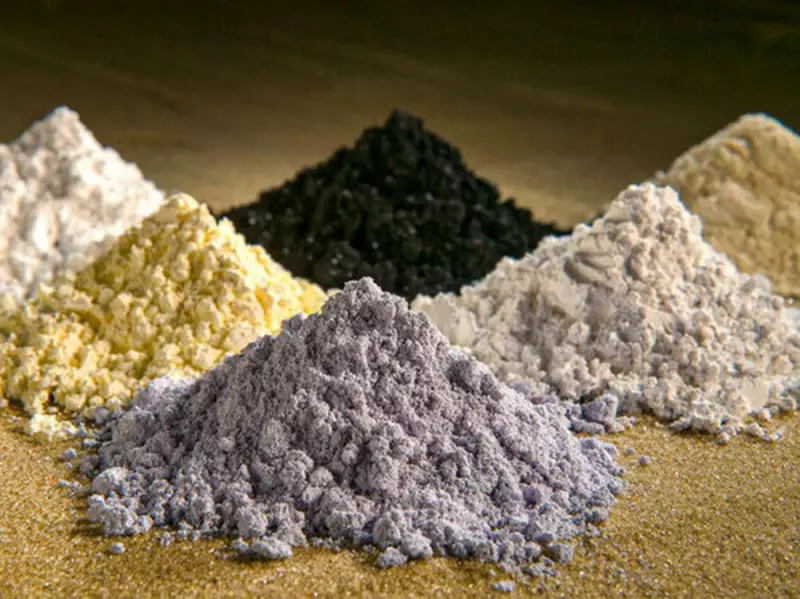
Despite these efforts, success has been limited. China maintains a formidable stranglehold over global rare earths supplies, controlling more than 90 per cent of global rare earths and permanent magnets refining capacity. In contrast, second-place Malaysia holds just four per cent, according to the International Energy Agency.
The geopolitical tension was highlighted recently when China announced tighter rare earths export controls in early October 2025, only to agree to a one-year suspension following a meeting between former President Donald Trump and Chinese President Xi Jinping.
A Focus on Producer Nations and the Full AI Stack
Helberg, 36, explained that his new plan differs from the Biden-era initiative, which involved over a dozen core countries, by focusing more narrowly on producer countries. Furthermore, while the first Trump administration effort concentrated on critical minerals, it predated the public release of AI platforms like ChatGPT.
"The new plan focuses across all layers of the technology involved in AI, not just one," Helberg emphasized. The participating nations were selected for specific reasons, ranging from hosting major semiconductor companies to possessing significant critical minerals resources.
This concerted effort underscores the profound stakes recognized by allied governments. As Helberg noted, "Countries participating understand the impact of AI, both for the economy, as well as strengths of a country’s military." The December 12 meeting marks a significant step in a coordinated Western strategy to ensure technological sovereignty in the defining technological race of the era.