

Potential Price Increases for Canadian Pasta Lovers
Canadian consumers and food importers are expressing concern as former President Donald Trump moves forward with new tariffs targeting imported Italian pasta. The proposed measures, part of Trump's "Make Pasta Great Again" initiative, could have ripple effects across the border in Canadian markets where Italian pasta remains a popular grocery item.
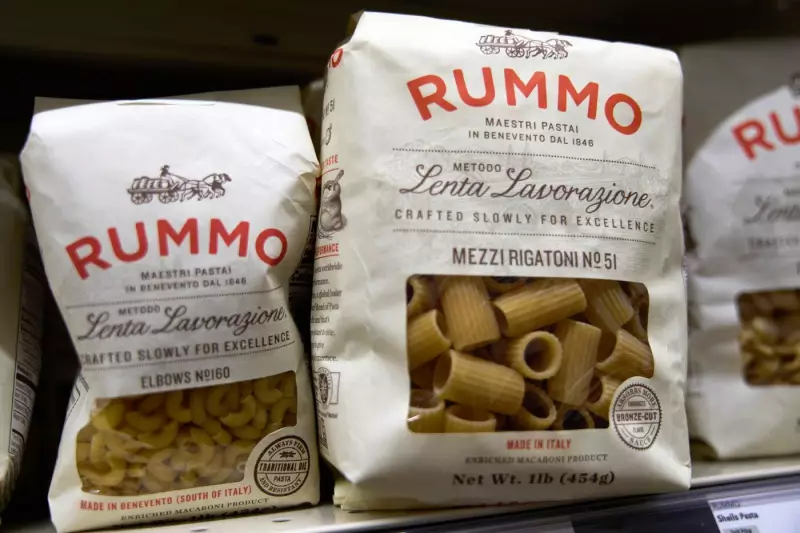
Photographs taken on November 11, 2025, in Detroit show packages of imported Italian pasta sitting on store shelves, representing the very products that would be affected by the tariff announcement. While the measures are primarily aimed at the United States market, industry experts warn that cross-border trade patterns and supply chain dynamics could lead to indirect impacts on Canadian consumers.
Understanding the Trade Implications
The tariff proposal comes amid broader uncertainty in North American trade relationships. Canadian importers who source Italian pasta products through U.S. distribution channels may face increased costs, potentially forcing them to either absorb the additional expenses or pass them along to consumers at the retail level.

Market analysts note that Canada has its own robust pasta manufacturing industry, which might benefit from decreased competition if Italian imports become more expensive. However, many Canadian consumers have developed strong preferences for specific Italian brands and varieties that domestic producers cannot easily replicate.
Broader Economic Context
The pasta tariff announcement occurs against a backdrop of other significant economic developments in Canada. Recent reports indicate that Canadian holiday shoppers plan to spend less this season amid economic uncertainty, suggesting consumers may be particularly sensitive to any food price increases.
Meanwhile, other trade-related stories are unfolding across the country, including the federal government's decision to fast-track the Crawford Nickel Project and ongoing discussions about Canada's approach to international trade relationships in an increasingly protectionist global environment.
Food industry representatives are monitoring the situation closely, noting that any significant disruption to pasta import patterns could affect everything from restaurant menus to family grocery budgets. The full impact of the U.S. tariff measures on Canadian markets will become clearer in the coming weeks as importers adjust their sourcing strategies and pricing models.






