

The diplomatic and economic landscape between Canada and the United States underwent a significant transformation in 2025, a year many analysts now refer to as "the year that the shoe dropped." The catalyst for this shift was the implementation of new tariffs by the administration of U.S. President Donald Trump, setting a new and more contentious tone for North American relations.
A Pivotal Oval Office Meeting
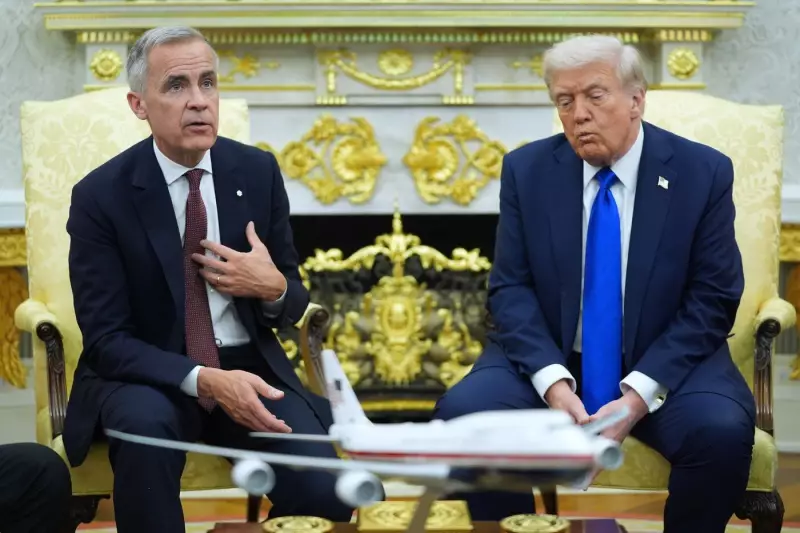
The dynamics of this change were crystallized during a high-stakes meeting between President Trump and Canadian Prime Minister Mark Carney. The two leaders convened in the Oval Office of the White House on Tuesday, October 7, 2025. This face-to-face discussion, captured in an Associated Press photograph by Evan Vucci, became the focal point for navigating the newly imposed trade barriers and their immediate repercussions for Canadian exporters and the broader economy.
The Impact of the Tariff Policy
While the original news summary did not list specific tariff details, the overarching theme was clear: the U.S. policy decisions created substantial friction. The term "shoe dropped" implies a long-anticipated or feared event finally occurring, suggesting that trade tensions which had been simmering came to a head in 2025. This policy shift forced the Canadian government and businesses to rapidly reassess their reliance on the U.S. market and explore diversification strategies.

The Carney government's challenge was multifaceted: it had to protect Canadian economic interests while maintaining a functional working relationship with its largest trading partner. The meeting in October was likely a critical attempt at damage control and negotiation, highlighting the delicate balance between diplomatic pressure and economic necessity.
Long-Term Consequences for Bilateral Ties
The events of 2025 marked a definitive departure from previous eras of Canada-U.S. cooperation. The imposition of tariffs moved trade from a background issue of mutual benefit to a foreground issue of dispute. This recalibration has had lasting effects, influencing not just commodity flows but also cross-border investment, supply chain logistics, and political trust.
For Canadian policymakers, the year served as a stark reminder of the vulnerabilities inherent in such an asymmetrical economic relationship. It accelerated discussions on enhancing trade with other global partners and bolstering domestic economic resilience. The relationship that emerged from 2025 is arguably more pragmatic and less predictable, with Canada forced to adopt a more assertive and independent stance in its dealings with Washington.
In conclusion, the tariff actions of 2025 and the subsequent Carney-Trump summit fundamentally altered the Canada-U.S. partnership. The year will be recorded in history as a pivotal moment when economic protectionism reshaped the continental dynamic, compelling Canada to navigate a more complex and challenging path with its southern neighbour.






