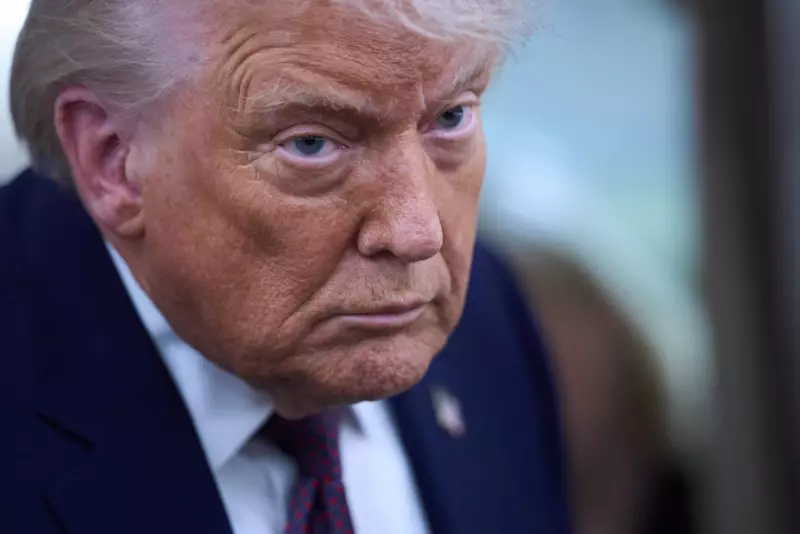
Trump Issues Stark Warning to Canada Over Potential China Trade Agreement
In a move that could significantly impact North American trade dynamics, former U.S. President Donald Trump has threatened to impose 100% tariffs on Canadian goods if Canada proceeds with a trade deal with China. This warning, delivered during remarks to reporters aboard Air Force One after departing the World Economic Forum in Davos, Switzerland, underscores the ongoing geopolitical tensions surrounding international commerce.
Escalating Trade Tensions Between Allies
The threat comes at a time when global trade relationships are increasingly complex. Trump, known for his "America First" approach during his presidency, emphasized that any Canadian trade agreement with China would be met with severe economic consequences from the United States. This stance reflects broader concerns about China's growing influence in global markets and its strategic partnerships with Western nations.
Analysts suggest that such tariffs could devastate key Canadian industries, including automotive, agriculture, and energy sectors, which rely heavily on cross-border trade with the United States. The potential for a 100% tariff would effectively double the cost of Canadian exports to the U.S., making them less competitive and potentially triggering retaliatory measures.

Context and Implications for Canada
Canada has historically maintained strong economic ties with both the United States and China, balancing its trade relationships carefully. However, Trump's warning places Ottawa in a difficult position, forcing policymakers to weigh the benefits of a potential China deal against the risks of provoking its largest trading partner.
The timing of this threat is particularly noteworthy, as it coincides with other international developments, such as China's military purges and U.S. naval activities in Cambodia. These events highlight the interconnected nature of global politics and trade, where decisions in one arena can have ripple effects across others.
Potential Economic Fallout
If implemented, the proposed tariffs could lead to:
- Increased consumer prices in the United States for goods imported from Canada.
- Job losses in both countries due to disrupted supply chains.
- Strained diplomatic relations between Canada and the United States.
- Shifts in global trade patterns as Canada seeks alternative markets.
Moreover, this development adds another layer of complexity to Canada's trade strategy, which already includes navigating issues like environmental regulations, technological innovation, and domestic economic priorities.
Looking Ahead
As trade negotiations evolve, Canadian officials will likely engage in behind-the-scenes discussions with U.S. counterparts to mitigate potential conflicts. The situation underscores the importance of strategic planning in international trade, where geopolitical considerations often intersect with economic interests.
In the coming months, observers will monitor how Canada responds to this warning and whether it influences the country's approach to future trade agreements. The outcome could set a precedent for how middle powers navigate relationships between superpowers in an increasingly polarized world.