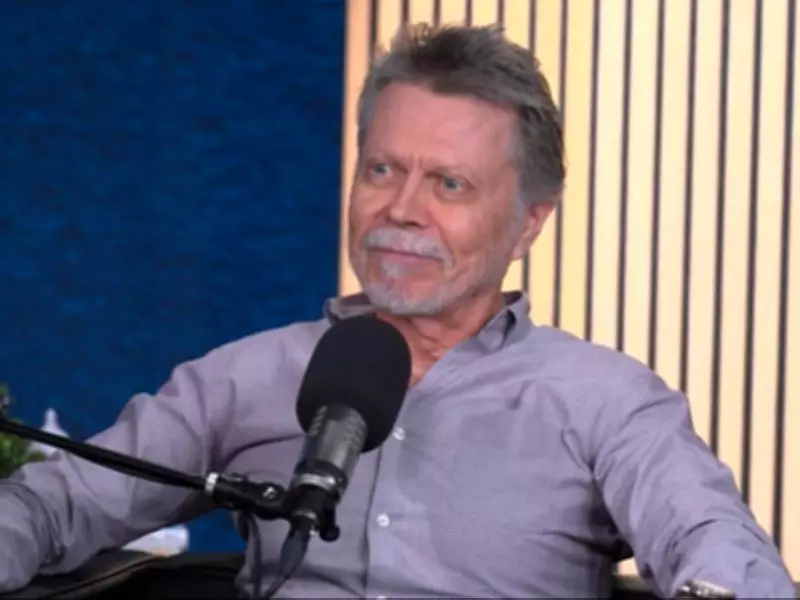
Prices rise, and people often blame capitalism. Politicians promise solutions, but economist Donald J. Boudreaux's new book, The Triumph of Economic Freedom, offers a different perspective. In a recent interview, Boudreaux challenges common narratives about economic history and government intervention.
United States President Donald Trump wants to cap credit card interest rates. Socialist mayors advocate rent freezes. Elizabeth Warren pushes for price controls on what she deems excessive. Yet Boudreaux remains optimistic about economic freedom. 'Free markets are on the ropes,' he admits, 'but when you look at history, you see that when economic freedom is allowed to flourish, it does triumph. It's really important that people step back and look at economic history to see that the more we move away from free markets, the worse things become.'
The Great Depression and the New Deal
Schools often teach that President Franklin D. Roosevelt's New Deal brought the United States out of the Great Depression. Boudreaux disagrees. 'He created government programs all right, but they did not pull us out of the Depression. Unemployment in the 1930s was never below 10%.' When farmers complained about low prices, FDR blamed an oversupply of food and paid farmers to destroy crops. 'People were hungry and they were destroying food!' Boudreaux exclaims. 'How was that good?'

FDR's other solutions included higher taxes on the rich and more regulation of businesses — proposals still heard today. 'By introducing these new unprecedented programs,' says Boudreaux, 'the New Deal made investment in America a risky project. That kept private investors on the sidelines.' Businesspeople, he adds, were reluctant to trust their property to a government that criticized them. The Depression continued until World War II, but Boudreaux debunks the myth that war spending cured it. 'Unemployment fell. That's not hard to do when you conscript 2.5 million men into the military. But if you look at the actual performance of the economy, that didn't recover until the late 1940s.'
Post-War Recovery
According to Boudreaux, the economy recovered because 'Republicans won the 1946 election and they were more pro-investor, pro-business than the Democrats.' Additionally, FDR's death and Harry Truman's less hostile stance toward capitalists allowed investors to return. 'Investors were finally confident to come back into the playing field.'
The Great Recession
Decades later, politicians from both parties contributed to the Great Recession by subsidizing mortgages. 'What the government did was impose policies that made home ownership seem affordable to people who couldn't afford it and compel banks to back those mortgages. When things went down, you had this calamity,' Boudreaux explains. He rejects the claim that deregulation caused the crisis: 'There was very little deregulation.' Instead, he argues that President Barack Obama's hostile rhetoric toward business prolonged the recession. 'Negative words from the White House kept investors on the sidelines, kept unemployment higher than it would otherwise have been.' Obama's expansion of unemployment benefits, Boudreaux says, 'kept them unemployed a lot longer because people were being paid not to work.'
The Case for Free Markets
Today, politicians and pundits continue to blame capitalism and call for government intervention to ensure fairness. 'They don't know what they're talking about!' Boudreaux asserts. 'Government's solutions actually made things worse.' His book serves as a reminder that free markets do work — if politicians let them.