Trump Issues Stark Warning to Canada Over Potential China Trade Agreement
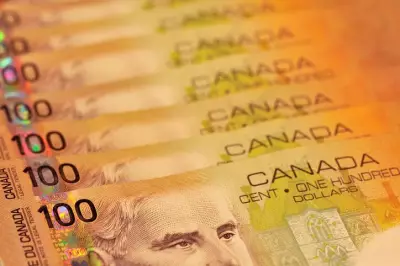
Former U.S. President Donald Trump has escalated tensions with Canada by threatening to impose 100% tariffs on all Canadian exports to the United States if the country proceeds with a trade deal with China. This aggressive stance marks a significant deterioration in relations between the U.S. and its northern neighbor, coming amid ongoing diplomatic friction.
Direct Threat Against Canadian Economic Interests
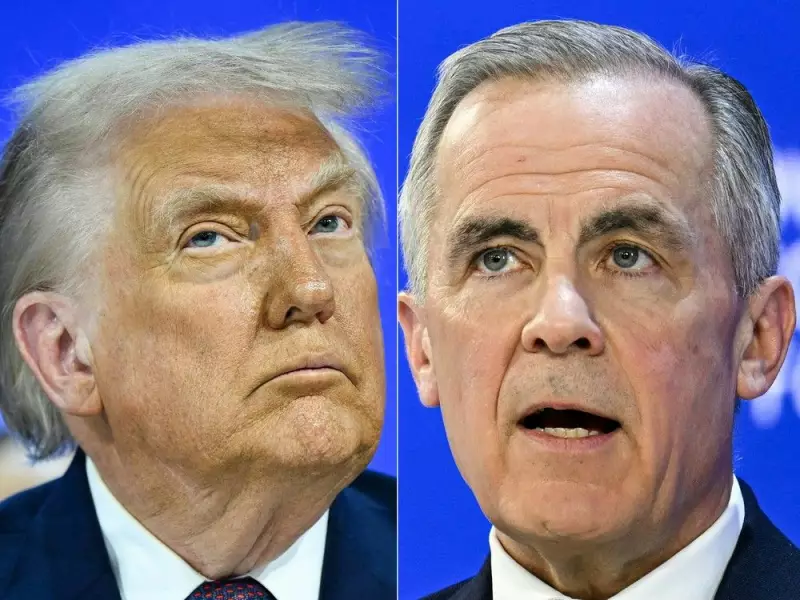
In a series of social media posts, Trump specifically targeted Canadian Prime Minister Mark Carney, whom he mistakenly referred to as "Governor Carney." The former president claimed that Carney was "sorely mistaken" for opening Canada to increased business with China, particularly referencing a recent agreement that would allow more Chinese electric vehicles into the Canadian market.
"China will eat Canada alive, completely devour it, including the destruction of their businesses, social fabric, and general way of life," Trump declared in one post. He followed with an explicit ultimatum: "If Canada makes a deal with China, it will immediately be hit with a 100% Tariff against all Canadian goods and products coming into the USA."

Background of the Canada-China Agreement
The emerging trade agreement between Ottawa and Beijing, while limited in scope, represents a notable shift in Canadian foreign policy. Last week, the two nations reached a deal to lower certain trade barriers and rebuild diplomatic ties, signaling Canada's movement away from alignment with Trump's trade agenda.
Key elements of the agreement include:
- Canada will permit approximately 49,000 Chinese electric vehicles into its market at a reduced tariff rate of about 6%, eliminating a previous 100% surtax that had been implemented in 2024 to align with American policy
- China has agreed to cut tariffs on Canadian canola exports
- China will offer visa-free travel to Canadian citizens
Prime Minister Carney met with Chinese leader Xi Jinping on January 16, marking the first visit by a Canadian leader to Beijing in eight years.
Escalating Diplomatic Tensions
The tariff threat comes amid an increasingly public war of words between Trump and Carney. Following the announcement of the China-Canada agreement, Carney delivered a speech at the World Economic Forum in Davos, Switzerland, where he warned against coercion by great powers—an implicit criticism of Trump's foreign policy approach, though he did not mention the former president by name.
Trump responded by accusing Canada of ingratitude for American military protection, asserting that the country "lives because of the United States"—a claim Carney promptly rejected. The former president also withdrew an invitation for Canada to join his proposed "Board of Peace" just one week after Carney had agreed in principle to participate.
This diplomatic clash extends beyond trade issues. Trump and Carney have also sparred over the former president's efforts to shake the world order, including his attempts to seize control of Greenland. Carney has maintained that Greenland's future should be determined solely by the people of Denmark and Greenland, which remains a Danish territory.
Implications for Canadian Trade and Diplomacy
The 100% tariff threat represents a potentially devastating economic blow to Canada, whose economy remains deeply integrated with that of the United States. Such punitive measures would affect a wide range of Canadian exports and could significantly disrupt cross-border trade relations.
Spokespeople for Prime Minister Carney did not immediately respond to requests for comment on Saturday following Trump's social media posts. The Canadian government now faces a complex diplomatic challenge as it navigates between maintaining relations with its largest trading partner while pursuing independent trade agreements with other global powers.
Trump's warning underscores the ongoing volatility in international trade relations and highlights the potential consequences for countries seeking to balance relationships between competing global powers. As the situation develops, Canadian policymakers must carefully consider their next steps in this high-stakes diplomatic confrontation.